Caring for a child with hearing problems needs patience, love, and the right support. Children with hearing loss can still learn, grow, and live a happy life when caregivers understand their needs. Early care and proper communication make a big difference in their development. Parents and teachers must work together to support the child in daily life.
Small changes at home and school can help the child understand better and feel more confident. This article shares five primary tips that can help in caring for a child with hearing problems in a simple and effective way.
Focus on Early Attention and Clear Communication
Early attention plays an important role in helping a child with hearing problems. Caregivers should notice early signs such as not responding to sounds or delayed speech. When speaking to the child, people should use clear words and speak slowly while facing the child.
This helps the child read lips and understand expressions. Good communication builds confidence and reduces frustration. It also helps the child feel included in family conversations and daily activities, which supports emotional growth.
Use Visual Support and Simple Instructions
Children with hearing problems understand better when visual support is used. Caregivers should use hand signs, facial expressions, and simple gestures to explain things. Writing notes or showing pictures can also help the child understand instructions easily.
Long sentences should be avoided, and messages should be kept short and clear. This method helps the child follow daily routines without confusion. Visual support also improves learning at home and school and makes communication more effective.
Visit an Audiology Expert for Proper Care
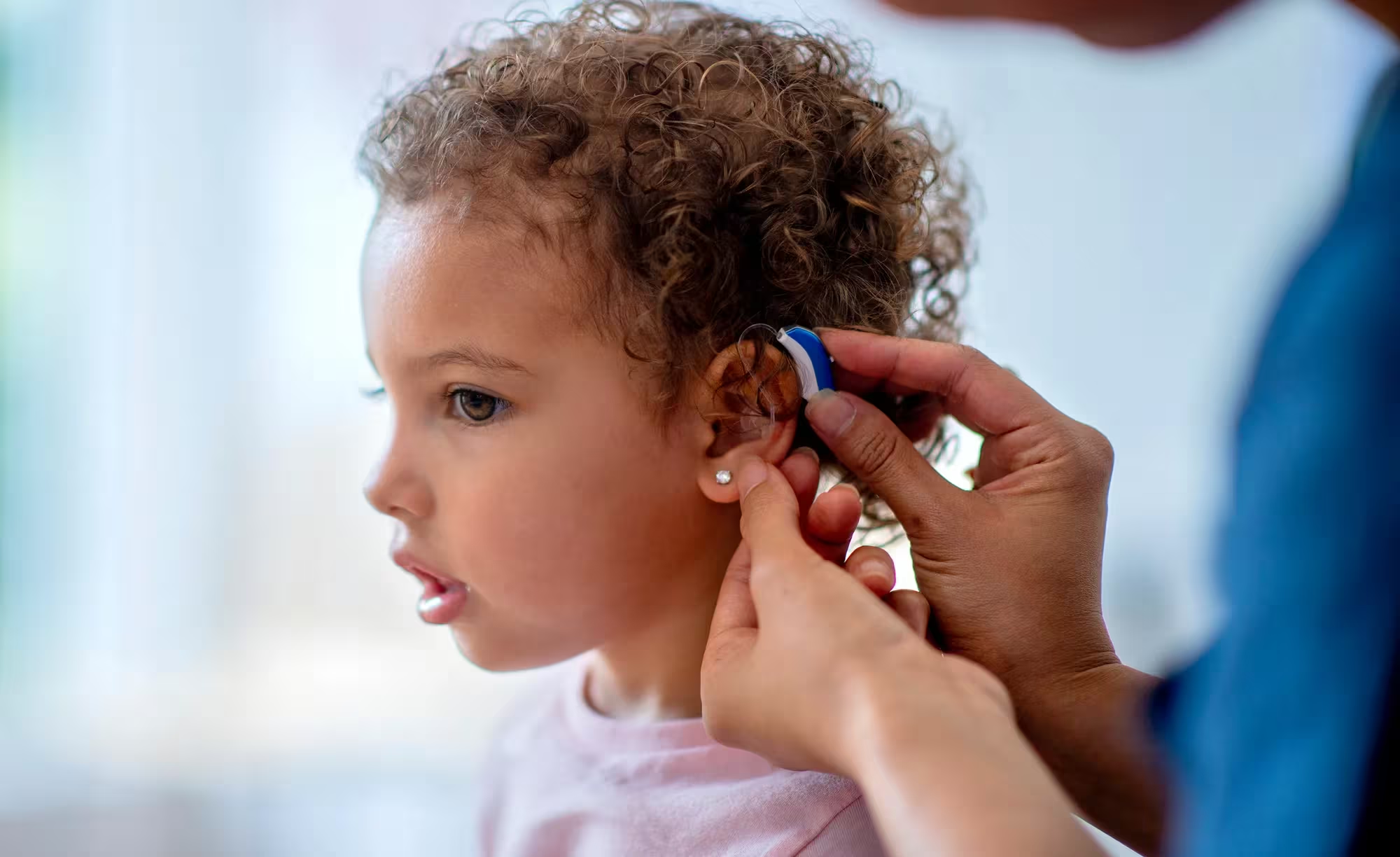
Regular check-ups with an audiology expert are very important for a child with hearing issues. An audiology professional tests hearing levels and provides the right solutions such as hearing aids or therapy support. These experts also guide families on how to improve communication at home.
Early diagnosis and treatment can improve the child’s ability to hear and respond better. Regular visits help track progress and adjust treatment when needed, which supports long-term hearing health and development.
Consult a Pediatrician for Overall Health
A pediatrician plays an important role in the overall care of a child with hearing problems. The pediatrician checks the child’s general health and helps find any medical reasons behind hearing loss. They can also guide families on proper treatment plans and refer them to specialists when needed.
Regular medical check-ups ensure that the child’s growth and development stay on track. A pediatrician also supports parents by answering health concerns and helping them understand the child’s needs better.
Create a Supportive Home and School Environment
A supportive environment helps a child with hearing problems feel safe and confident. At home, family members should be patient and encourage the child to express feelings. At school, teachers should provide extra attention and use visual teaching methods.
Seating the child closer to the teacher can also improve understanding. Encouragement and positive behavior help the child build self-esteem. When both home and school work together, the child learns better and feels more included in social activities.
Conclusion
Caring for a child with hearing problems requires teamwork, understanding, and proper guidance. Early communication, visual support, and professional help all play an important role in the child’s development.
Regular visits to an audiology expert and a pediatrician ensure the child receives the right care. A supportive environment at home and school helps the child grow with confidence.