
When you are gaining or losing weight rapidly, you might think that following a crash diet might help. But most of the time, these diets only add to the frustration, because weight gain is not always directly related to our eating patterns. There could be other contributing factors, like hormonal imbalance, stress eating, diseases like thyroid and PCOS.
In this situation, diet alone cannot help you achieve your desired body and health goals. You will have to focus on overall wellbeing by following a holistic approach. Let’s learn how a holistic approach to healthcare can help in effective weight management.
Root Cause Analysis
Sometimes, overeating and lack of physical activity are not the only culprits behind your rapid weight gain. Thyroid issues or insulin resistance are also responsible for rapid weight gain. In that case, effective weight management does not start with healthy eating; you have to address the underlying issue first. Cortisol hormone is also a major contributing factor. There could be different nutritional deficiencies that might be resulting in consistent weight loss. You just have to identify the root cause and consider medicines and lifestyle modification that can help.
Sustainable Nutrition
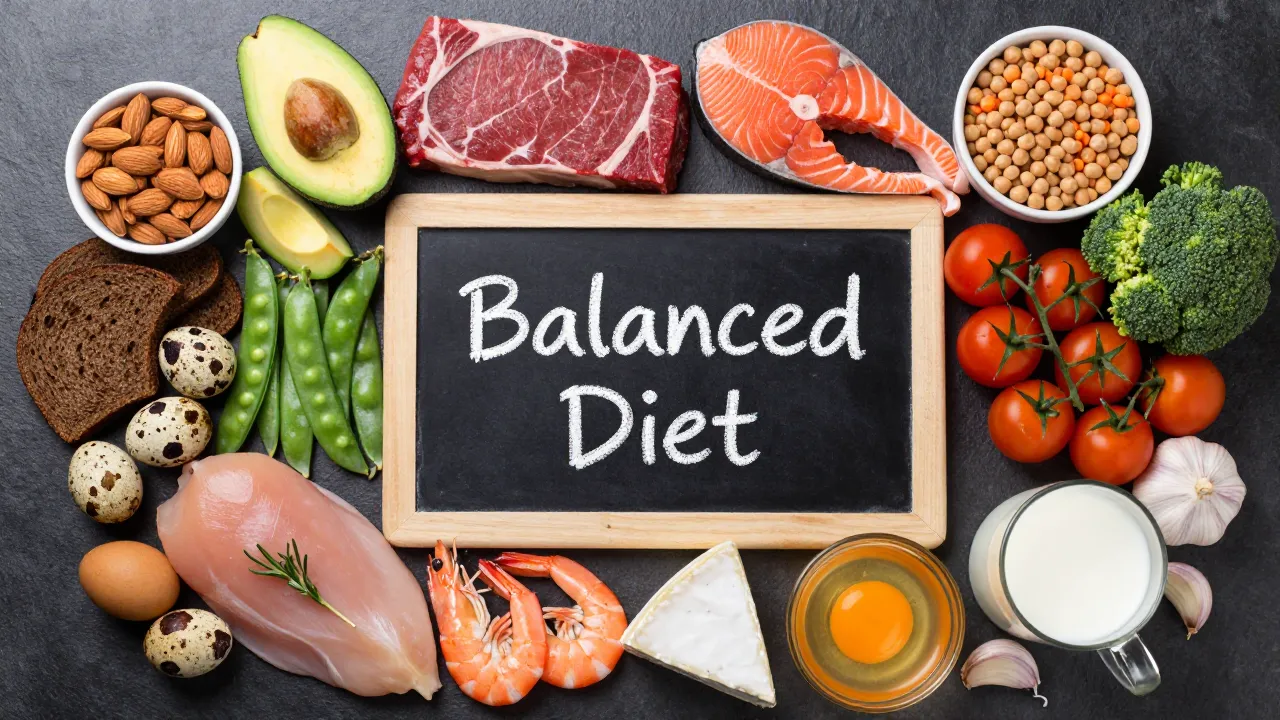
Eating healthy is not about following a bland, low-calorie diet. Instead, one should consider dietary modifications that they can easily sustain in the long run. Add all food groups to your diet. These days, restricting or avoiding carbohydrates altogether is trending, but from a nutrition and health perspective, cutting out an entire food group can do more harm than good.
A more balanced approach is to choose complex carbohydrates for making your favorite rice and paste dishes. Try to balance your plate with the right proportions of carbohydrates, protein, and fats. Doing this will provide tasty meal options and sustainable energy levels.
Mental stability
Stress can be a major contributing factor in rapid weight gain, as some people tend to eat more in stressful times. Food provides a source of comfort and emotional support. High stress also elevates cortisol levels, which can contribute to abdominal fat. So stress management is a very important component of effective weight management.
One cannot avoid stress, but it is possible to manage it effectively through stress management techniques. You can try journaling, yoga, and group meditation activities. Using these methods will help you release the stuck emotions that previously led to weight gain.
Quality Sleep
If you are eating healthy and hitting the gym but still not noticing any visible results, then you might be compromising on your rest. Sleep is our body’s time to heal and recover from the wear and tear it experiences throughout the day. So, try your best not to compromise on your sleep at any cost, and explore different calming, relaxing bedtime routines to improve your sleep quality over time. These routines will further speed up your weight loss journey.
Regular Physical Activity
Dedicating a specific time and going to the gym every day might not be feasible for many busy professionals. In that situation, they can try exercising from the comfort of their home or maybe hire a personal coach. Online coaching is also trending these days; you can choose the one that best caters to your needs.
Conclusion
Weight management does not have to be restrictive and painful. You can take a more balanced, holistic approach to regulating your overall system, because food isn’t the only thing affecting the numbers on your scale. You need to take care of your whole body by eating healthy, regulating your emotions, getting quality sleep, and engaging in regular physical activity.