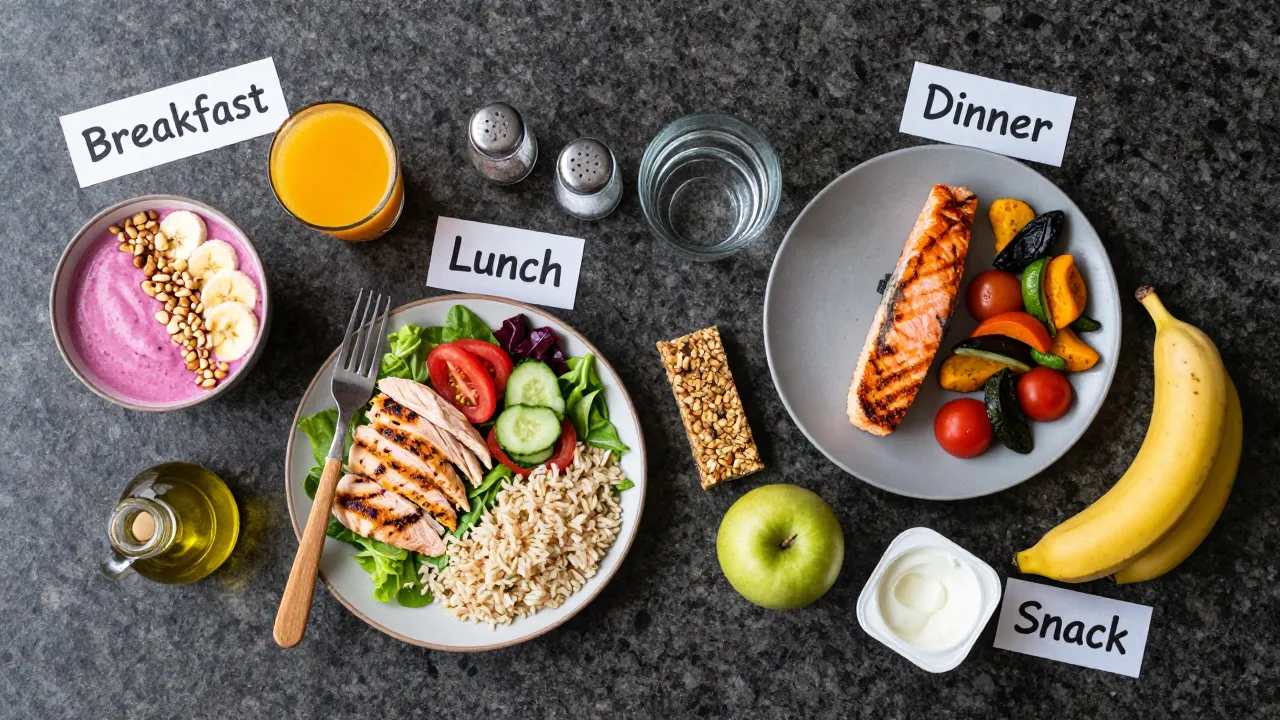
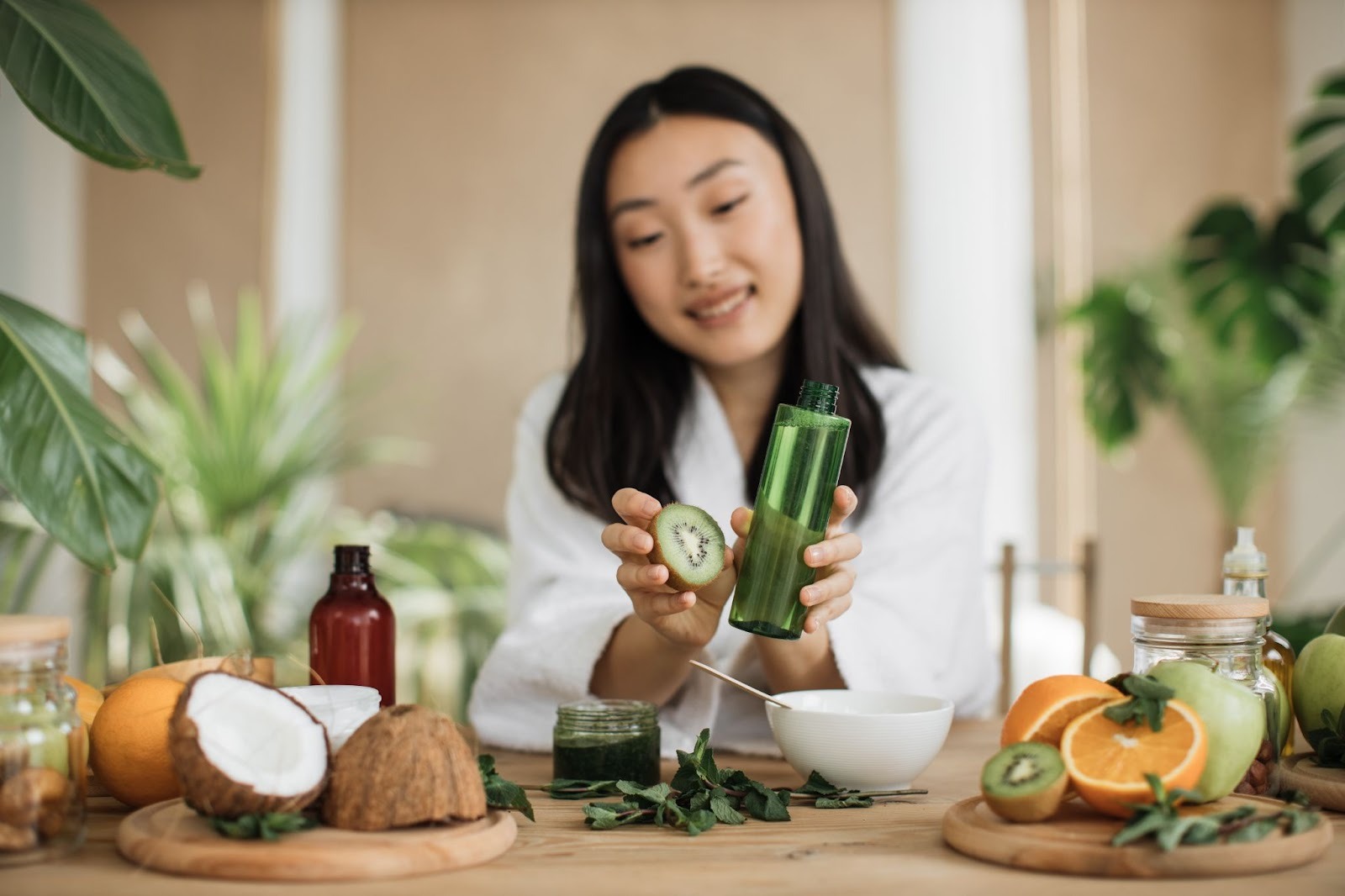
True radiance begins from within, and your skin health is a direct reflection of the nutrients you provide your body through a balanced diet. Essential vitamins like A, C, and E, along with minerals like zinc, play a vital role in cellular turnover, collagen production, and repairing damage from the environment. By prioritizing whole foods, staying properly hydrated, and managing lifestyle factors like stress and sleep, you can support your skin’s natural barrier and achieve a vibrant, healthy glow that lasts.
The Connection Between Nutrition and Skin Health
The skin is a dynamic organ which is an indicator of our general health. What we consume has a great influence on its framework and workability. The following are the main reasons how the nutrition helps the skin:
1. Skin Structure and Function
The skin has several layers primarily the epidermis and dermis layers, which need different nutrients to retain their integrity and functionality:
- Cellular Turnover: The skin experiences cell turnover which is a constant process at which new skin cells are produced and the old ones fade away. This process depends on nutrients, as these are the required building blocks of the new cells.
- Barrier Function: A normal skin barrier secures the environment, pathogen, and hydration loss. Such nutrients as fatty acids and antioxidants can preserve this barrier.
2. Hydration and Elasticity
Proper hydration is essential for skin elasticity and overall appearance:
- Moisture Retention: Some of the nutrients like hyaluronic acid present in some foods serve the purpose of maintaining moisture in the skin, which keeps the skin full and hydrated.
- Elasticity: Vitamin C along with amino acids which aid in skin elasticity help in skin sagging and wrinkling prevention.
3. Inflammation and Repair
Diet may have an effect on inflammation in the body and this can affect the skin conditions:
- Anti-Inflammatory Foods: There are particular foods that can be used to decrease inflammation and this can improve skin-related problems like acne, eczema, and psoriasis.
- Healing Properties: Vitamin E and zinc are some of the nutrients that aid the skin in healing to help recover blemishes and irritation.
Essential Nutrients for Radiant Skin
To achieve and maintain healthy skin, it’s essential to include a variety of nutrients in your diet. Here are the key nutrients that play a significant role in skin health:
1. Vitamins
Vitamin A
- Function: Vitamin A is crucial for skin cell production and repair. It promotes a healthy complexion by supporting the growth of new skin cells and minimizing dryness.
- Sources: Foods rich in vitamin A include carrots, sweet potatoes, spinach, kale, and apricots.
Vitamin C
- Function: Vitamin C is a powerful antioxidant that protects the skin from oxidative stress and supports collagen production, which is vital for skin elasticity and firmness.
- Sources: Citrus fruits (oranges, lemons), strawberries, kiwi, bell peppers, and broccoli are excellent sources of vitamin C.
Vitamin E
- Function: Vitamin E acts as an antioxidant, protecting the skin from damage caused by UV rays and environmental pollutants. It also aids in skin hydration and repair.
- Sources: Nuts (almonds, hazelnuts), seeds, spinach, and avocados are rich in vitamin E.
B Vitamins
- Function: B vitamins, particularly B2 (riboflavin), B3 (niacin), B5 (pantothenic acid), and B7 (biotin), are essential for maintaining healthy skin. They support cell metabolism and promote skin health.
- Sources: Whole grains, legumes, eggs, leafy greens, and nuts are rich in B vitamins.
2. Minerals
Zinc
- Function: Zinc plays a crucial role in skin healing, reduces inflammation, and supports the immune system. It helps regulate oil production, making it essential for acne-prone skin.
- Sources: Oysters, beef, pumpkin seeds, lentils, and chickpeas are excellent sources of zinc.
Selenium
- Function: Selenium is an antioxidant that helps protect the skin from oxidative stress and supports the skin’s elasticity and overall health.
- Sources: Brazil nuts, seafood, eggs, and whole grains are good sources of selenium.
Copper
- Function: Copper is involved in collagen synthesis and helps maintain skin firmness and elasticity. It also has antioxidant properties that protect the skin.
- Sources: Shellfish, seeds, nuts, whole grains, and dark chocolate are rich in copper.
3. Healthy Fats
Omega-3 Fatty Acids
- Function: Omega-3 fatty acids help maintain skin hydration and elasticity. They also possess anti-inflammatory properties that can benefit skin conditions such as acne and psoriasis.
- Sources: Fatty fish (salmon, mackerel, sardines), walnuts, flaxseeds, and chia seeds are rich in omega-3s.
4. Antioxidants
Antioxidants help combat oxidative stress and protect the skin from damage caused by free radicals. Foods rich in antioxidants include:
- Fruits and Vegetables: Berries, cherries, spinach, and kale are packed with antioxidants that support skin health.
- Green Tea: Green tea is rich in polyphenols, which have anti-inflammatory and antioxidant properties beneficial for skin health.
Dietary Patterns for Healthy Skin
While individual nutrients are important, the overall dietary pattern plays a crucial role in skin health. Here are some dietary strategies to consider:
1. The Mediterranean Diet
The Mediterranean diet emphasizes whole, nutrient-dense foods and is associated with numerous health benefits, including improved skin health. Key components of the Mediterranean diet include:
- Fruits and Vegetables: A wide variety of colorful fruits and vegetables provides essential vitamins, minerals, and antioxidants.
- Whole Grains: Whole grains such as brown rice, quinoa, and whole wheat provide fiber and important nutrients for skin health.
- Healthy Fats: Olive oil, nuts, and fatty fish provide healthy fats that support skin hydration and overall health.
- Lean Proteins: Sources such as fish, poultry, legumes, and dairy provide essential proteins for skin repair and regeneration.
2. Plant-Based Diets
Plant-based diets focus on fruits, vegetables, whole grains, nuts, and seeds while minimizing animal products. This dietary pattern can be beneficial for skin health due to its high content of vitamins, minerals, and antioxidants:
- Nutrient Density: Plant-based diets are typically rich in vitamins and minerals that promote skin health.
- Hydration: Many fruits and vegetables have high water content, contributing to hydration and skin health.
3. Hydration
Staying hydrated is essential for maintaining healthy skin. Here are some tips for proper hydration:
- Drink Enough Water: Aim to drink at least eight 8-ounce glasses (about 2 liters) of water per day. Adjust based on activity level, climate, and individual needs.
- Consume Hydrating Foods: Include hydrating foods in your diet, such as cucumbers, watermelon, oranges, and celery.
Lifestyle Factors That Affect Skin Health
In addition to nutrition, several lifestyle factors can influence skin health. Here are some key considerations:
1. Avoiding Excessive Sun Exposure
Excessive sun exposure can lead to skin damage, premature aging, and an increased risk of skin cancer. Here are some sun protection tips:
- Use Sunscreen: Apply broad-spectrum sunscreen with an SPF of at least 30 daily, even on cloudy days.
- Seek Shade: Limit sun exposure during peak hours (10 a.m. to 4 p.m.) and seek shade when outdoors.
2. Stress Management
Chronic stress can negatively impact skin health, leading to conditions such as acne, eczema, and premature aging. Here are some stress management techniques:
- Mindfulness and Meditation: Practice mindfulness techniques such as meditation, deep breathing, or yoga to reduce stress levels.
- Regular Exercise: Physical activity can help reduce stress and improve overall well-being.
3. Quality Sleep
Adequate sleep is essential for overall health and beauty. Lack of sleep can lead to dull skin, dark circles, and premature aging. Here are some tips for improving sleep quality:
- Establish a Routine: Aim for 7-9 hours of quality sleep each night by establishing a consistent sleep schedule.
- Create a Relaxing Environment: Make your sleeping environment comfortable and conducive to rest by minimizing noise and light.
Common Skin Conditions Linked to Nutrition
Certain skin conditions can be influenced by nutritional deficiencies or imbalances. Here are a few examples:
1. Acne
Acne is a common skin condition characterized by pimples, blackheads, and cysts. Nutrition can play a role in acne management:
- High Glycemic Index Foods: Diets high in refined carbohydrates and sugars may contribute to acne development. Consider reducing consumption of sugary foods and refined grains.
- Anti-Inflammatory Foods: Incorporating anti-inflammatory foods, such as fatty fish, fruits, and vegetables, may help reduce inflammation associated with acne.
2. Eczema
Eczema is a chronic inflammatory skin condition that can cause dryness, redness, and itching. Certain dietary changes may help manage eczema:
- Identify Triggers: Some individuals may find that specific foods trigger their eczema symptoms. Common allergens include dairy, nuts, and gluten.
- Omega-3 Fatty Acids: Consuming foods rich in omega-3 fatty acids may help reduce inflammation and improve skin barrier function.
3. Psoriasis
Psoriasis is an autoimmune condition that leads to the rapid growth of skin cells, resulting in patches of red, scaly skin. Nutrition can influence psoriasis management:
- Anti-Inflammatory Diet: Following an anti-inflammatory diet rich in fruits, vegetables, whole grains, and healthy fats may help reduce symptoms.
- Limit Alcohol and Processed Foods: Reducing alcohol consumption and avoiding processed foods may help manage psoriasis flare-ups.
Practical Tips for Supporting Skin Health Through Nutrition
To promote radiant skin from the inside out, consider the following practical tips:
1. Prioritize Whole Foods
Focus on whole, minimally processed foods that provide essential nutrients:
- Fruits and Vegetables: Aim to fill half your plate with a variety of colorful fruits and vegetables, which are rich in vitamins, minerals, and antioxidants.
- Whole Grains: Choose whole grains over refined grains, as they provide fiber and important nutrients for skin health.
2. Incorporate Healthy Fats
Include healthy fats in your diet to support skin hydration and elasticity:
- Avocados: Rich in healthy fats and vitamins, avocados can help keep your skin moisturized.
- Nuts and Seeds: Almonds, walnuts, and chia seeds provide omega-3 fatty acids and other essential nutrients for skin health.
3. Stay Hydrated
Proper hydration is crucial for maintaining healthy skin:
- Drink Water: Aim to drink enough water throughout the day to stay hydrated. Herbal teas and infused water can also contribute to your fluid intake.
- Consume Hydrating Foods: Incorporate foods with high water content, such as cucumbers, tomatoes, and berries.
4. Limit Sugar and Processed Foods
High-sugar and processed foods can negatively impact skin health:
- Reduce Sugary Snacks: Limit your intake of sugary snacks and beverages, as they can lead to inflammation and skin issues.
- Choose Whole Foods: Opt for whole, nutrient-dense foods over processed options to support overall skin health.
5. Monitor Food Sensitivities
Identify and manage food sensitivities or allergies that may affect your skin:
- Keep a Food Diary: Consider tracking your food intake and skin reactions to identify potential triggers.
- Consult a Professional: If you suspect food sensitivities, consult a healthcare professional or registered dietitian for guidance.
Conclusion
Healthy eating is a critical aspect that promotes skin condition and gives one a glowing skin. With proper dietary choices and intake of the necessary nutrients, vitamins, and antioxidants, you can take care of your skin on the inside. Alfalfa whole foods, hydrate, and healthy lifestyle habits are the best way to ensure that the skin looks good.
Keep in mind that healthy skin cannot be achieved quickly and without regularity. Through deliberate food choices and a holistic lifestyle when applying skincare, you can experience the results of a radiant, strong skin many years down the line. Now is the time to accept the linkage between nutrition and beauty and make your foodstuff an extension of your skin care.