
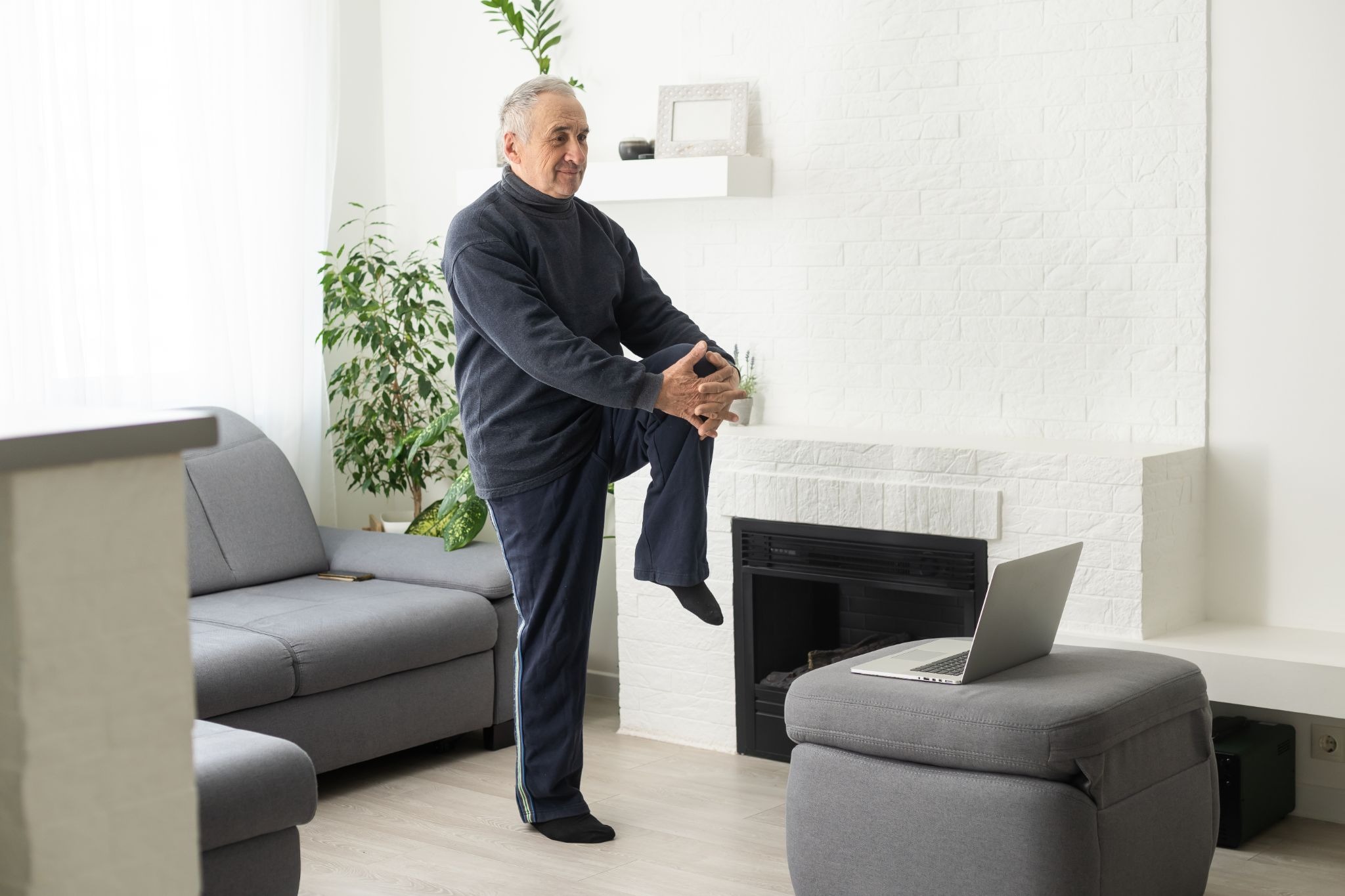
In modern society, a sedentary lifestyle has become the default mode for many, leading to a slow decline in metabolic health and physical mobility. Prolonged sitting causes the body to shift into a conservation mode, slowing down fat metabolism and increasing the risk of joint stiffness and weight gain. By becoming aware of these risks and incorporating frequent movement breaks into your day, you can break the cycle of stillness and protect your body from the long-term health consequences of inactivity.
Understanding sedentary lifestyle risks is not about fear. It is about awareness. And awareness is the first step toward better health.
When Stillness Becomes the Body’s Default Mode
The human body is designed for regular motion. Muscles, joints, and organs depend on frequent movement to function well. When stillness becomes the default, the body shifts into conservation mode. Muscles activate less often. Circulation slows. Energy use drops. This is not laziness. It is an adaptation. The body responds to what it experiences most. If most hours are spent sitting, efficiency declines in areas that are no longer needed. Over time, this state affects nearly every system in the body.
The Hidden Physical Costs of Sitting Too Much
-
One of the most overlooked sedentary lifestyle risks is how deeply inactivity affects internal health. Sitting for long periods alters blood flow and muscle engagement.
-
Lower body muscles remain inactive. This reduces glucose uptake and fat metabolism. As a result, blood sugar control worsens even in people who eat reasonably well.
-
Joint stiffness is another consequence. Lack of movement reduces lubrication in joints, increasing discomfort and reducing mobility with age.
These changes happen gradually, which is why they are often dismissed until they interfere with daily life.
How Inactivity Alters Metabolism Without Notice
Metabolism is not fixed. It responds to daily behavior. Long hours of sitting send a clear message to the body that less energy is required. This leads to reduced calorie expenditure across the day. The difference may seem small at first, but repeated daily, it becomes significant.
Inactivity health effects also include changes in insulin sensitivity. When muscles are inactive, they stop responding efficiently to insulin. This promotes fat storage rather than fat use. The scale may not change immediately. But the internal environment shifts in ways that make weight gain more likely over time.
Weight Gain Is Often a Movement Problem, Not a Food Problem
Many people focus on dieting when weight changes. While nutrition matters, movement often plays a bigger role than expected. Weight gain frequently results from a gradual drop in daily activity rather than overeating alone. Sitting reduces energy use far more than people realize. When movement decreases, appetite signals may not adjust accordingly. This creates a subtle calorie surplus that persists day after day. Effective weight gain prevention depends on restoring regular movement, not extreme restriction.
The Mental Side of Physical Inactivity
Sedentary behavior affects the mind as much as the body. Prolonged sitting is associated with reduced alertness, lower mood, and increased mental fatigue. Movement stimulates neurotransmitters linked to motivation and focus. Without it, energy levels flatten and stress becomes harder to manage.
This mental fatigue often reinforces inactivity. People feel too tired to move, even though movement would help restore energy. Breaking this cycle starts with small, manageable actions.
Why Movement Habits Matter More Than Exercise Plans
Exercise is structured and time-limited. Movement habits are continuous. The body responds more to what happens most often. A short workout cannot counteract an entire day of sitting. This is why daily movement matters more than isolated effort. Healthy movement habits keep muscles engaged and metabolism active throughout the day. They reduce the harmful effects of prolonged stillness. Consistency is the key factor. Frequent low-intensity movement delivers benefits that intense but infrequent exercise cannot.
Everyday Activity as a Protective Health Strategy
Daily activity acts as a buffer against sedentary lifestyle risks. It supports circulation, joint health, and metabolic balance. Simple actions like standing more often or walking briefly can significantly reduce inactivity health effects. These actions restore normal physiological signaling.
The goal is not to move constantly, but to avoid staying still for too long. Regular interruptions of sitting are enough to create meaningful change. This approach is sustainable because it fits into real life.
Simple Adjustments That Increase Daily Movement
You do not need to redesign your entire routine. Small changes create the biggest impact when repeated consistently.
Effective movement habits often come from modifying existing behaviors.
-
Standing during short tasks instead of sitting
-
Walking briefly between long periods of focus
-
Choosing movement-friendly options when possible
These adjustments feel minor, but they significantly reduce total sedentary time.
Why Frequency Beats Intensity for Long-Term Results
Intensity demands recovery. Frequency builds resilience. For daily health, frequency matters more. Frequent movement keeps muscles active and blood sugar stable. It supports energy balance without increasing hunger or stress. This is why light movement spread across the day is more effective for weight gain prevention than occasional intense effort. The body thrives on regular signals, not extreme ones.
Designing a Lifestyle That Encourages Movement Naturally
The environment shapes behavior. If movement is inconvenient, it will not happen consistently. Workspaces, routines, and habits should make movement the easy option. This reduces reliance on motivation. Examples include placing frequently used items farther away or creating natural breaks in sedentary tasks. Sustainable movement comes from design, not discipline.
Long-Term Health Depends on What You Do Most Days
Health outcomes are shaped by daily patterns, not occasional actions. What you do most days matters more than what you do once a week. Reducing sedentary time protects cardiovascular health, preserves mobility, and supports metabolic function as you age. These benefits accumulate quietly, just like the risks of inactivity do. The difference is direction.
Final Thoughts
A sedentary lifestyle does not cause immediate damage. That is why it is so easy to ignore. But over time, stillness reshapes the body in ways that undermine health and weight stability. Understanding sedentary lifestyle risks shifts attention from workouts alone to the importance of daily movement. Addressing inactivity health effects requires consistent, realistic movement habits. Weight gain prevention becomes easier when movement is built into everyday life rather than forced into tight schedules. You do not need to move more all at once. You need to move more often. That small change makes a lasting difference.