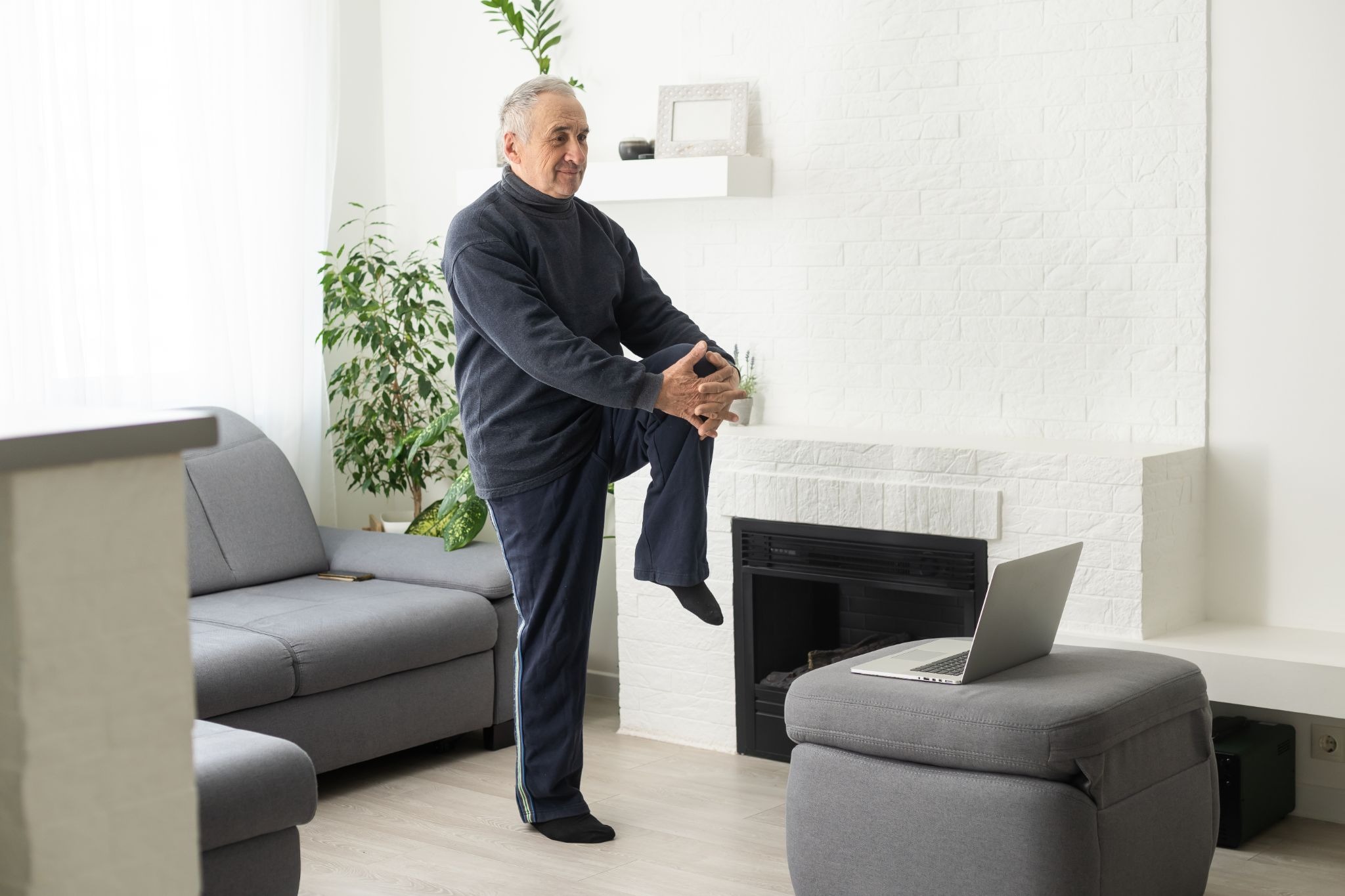

If you have noticed that your fitness results have stalled, it may be time to implement a progressive workout strategy to give your body a new reason to adapt and change. Progression isn’t about training until exhaustion; it’s about making small, intentional increases in difficulty over time to keep your metabolism responsive. By gradually adjusting your resistance, reps, or rest periods, you can protect your muscle mass and ensure that your fat loss journey continues to move in the right direction without leading to burnout.
Progression gives your body a reason to keep changing. It removes guesswork and replaces burnout with direction. Instead of pushing harder every session, you improve gradually and intentionally.
In this guide, you’ll learn how progressive training supports fat loss, how fitness progression prevents stalls, and why training consistency matters more than intensity.
What Is a Progressive Workout Strategy?
A progressive workout strategy means increasing the challenge of your training over time in a controlled way. The changes are planned, not random. Progression does not mean maxing out or training until exhaustion. It means giving your body slightly more than it’s already adapted to handling. This could involve lifting a little heavier, performing more reps, improving exercise form, or moving with better control. Each change is small, but over time they add up.
Without progression, your body becomes efficient. Efficient bodies burn fewer calories doing the same work. That efficiency is what causes fat loss to slow. Progressive training keeps your metabolism responsive while protecting your joints, energy, and motivation.
Why Progression Matters for Fat Loss
Fat loss is not just about calories. It’s also about muscle engagement and metabolic demand. When workouts stay the same for too long, your body adapts. Muscles require less effort. Calorie burn decreases. Progress stalls. Progression solves this by creating new demands. These demands encourage muscle retention, improve strength, and increase energy use over time.
A progressive approach also keeps training mentally engaging. When you can see improvement, motivation stays higher. This matters more than most people realize.
How Fitness Progression Supports Long-Term Fat Loss
Fitness progression helps fat loss because it works with your body instead of against it. Instead of shocking your system with extreme workouts, progression allows adaptation to happen gradually. This protects recovery and reduces injury risk.
Over time, progressive training improves strength, endurance, and movement quality. These improvements make daily activity easier and increase total calorie burn across the day. Even when the scale doesn’t move, your body composition often improves. Clothes fit better. Strength increases. Energy levels rise.
These are signs that fat loss is still happening beneath the surface.
Progressive Overload Without Overtraining
Progressive overload is often misunderstood. Many people think it means pushing harder every workout. That approach usually leads to burnout. True progression is subtle. It respects recovery.
You might progress by increasing resistance slightly, improving tempo, or reducing rest time. These changes challenge your body without overwhelming it. The goal is steady improvement, not constant exhaustion.
Key Components of an Effective Progressive Workout Strategy
A progressive plan is built on a few core elements. These elements work together to support fat loss without creating stress overload.
- Gradually increasing resistance or difficulty as strength improves
- Adjusting total workout volume over time
- Improving movement quality and exercise control
Each component plays a role. None of them need to change quickly. When progression feels manageable, consistency becomes easier to maintain.
How to Avoid Workout Plateaus Without Constantly Changing Plans
Plateaus are a normal part of training. They do not mean failure. They usually appear when your body has fully adapted to your current routine. Strength stops increasing. Workouts feel easier. Motivation dips. Many people respond by switching programs too often. This resets progress instead of advancing it.
A better approach is strategic progression.
- Make one small change at a time
- Increase challenge gradually
- Stay with a plan long enough to adapt
Planned deloads also help. Short periods of reduced intensity allow recovery and prepare your body for the next phase of progress.
This approach helps you avoid workout plateaus while staying consistent.
Training Consistency Over Perfection
Perfect workouts are not required for fat loss. Many people train intensely for short periods and then stop completely. This pattern leads to frustration and stalled results.
Training consistency means showing up regularly, even when energy is low or time is limited. It means doing something instead of nothing.
Consistency builds habits. Habits reduce decision fatigue. And reduced decision fatigue makes long-term fat loss realistic. Progressive training supports this mindset by removing pressure to constantly push harder.
Structuring a Progressive Workout Plan for Fat Loss
A good workout plan fits your life. It does not require perfect conditions. Progressive plans work best when they balance effort and recovery. Strength training preserves muscle and supports metabolism. Cardio improves heart health and calorie expenditure. Recovery allows adaptation.
Most people do best when training includes a mix of these elements spread across the week. Tracking progress helps, but it should not become obsessive. Strength gains, improved endurance, and better movement are all signs of progress. Fat loss rarely shows up first on the scale.
Common Mistakes That Break Progressive Training
Many people unintentionally sabotage progress by misunderstanding progression.
- Progressing too fast and overwhelming recovery
- Ignoring sleep, stress, and rest days
- Treating soreness as a success metric
Progression should feel challenging but sustainable. If fatigue builds faster than strength, recovery is being neglected. Rest is not a setback. It is part of the strategy.
Making Progressive Training Sustainable Long Term
Sustainability is what separates temporary results from lasting change. A progressive workout strategy adapts as life changes. During busy periods, you maintain. When energy improves, you progress again. This flexibility prevents the all-or-nothing mindset that derails many fat loss efforts. Over time, training becomes part of your routine instead of a constant battle with motivation. That is when fat loss becomes maintainable.
Conclusion
A progressive workout strategy is not about doing more. It’s about doing better over time. By focusing on gradual fitness progression, you keep your body adapting without burning out. You also avoid workout plateaus without constantly restarting. Most importantly, progression supports training consistency, which is the true foundation of long-term fat loss success. Small improvements, repeated consistently, always win.
FAQs
1: How often should I increase workout intensity for fat loss?
Most people should progress every one to two weeks. The timing depends on recovery, experience level, and stress. Progression should feel manageable, not exhausting or overwhelming.
2: Is progressive training effective without heavy weights?
Yes. Progression can come from better form, more reps, longer tension, or reduced rest. Heavy weights are not required for fat loss or long-term fitness improvement.
3: What should I do if progress stalls despite consistency?
Review sleep, nutrition, stress, and recovery first. If those are solid, introduce a small progression change or brief deload to reset adaptation without abandoning your plan.
4: Can progressive training work with home workouts?
Yes. Progressive training works well at home by increasing reps, slowing tempo, adding pauses, improving form, or using resistance bands, making progression possible without gym equipment.
5: How long does it take to see fat loss with progressive training?
Visible fat loss usually appears within four to eight weeks when progressive training is paired with consistent nutrition, adequate sleep, and realistic calorie intake, though strength improvements often appear sooner.