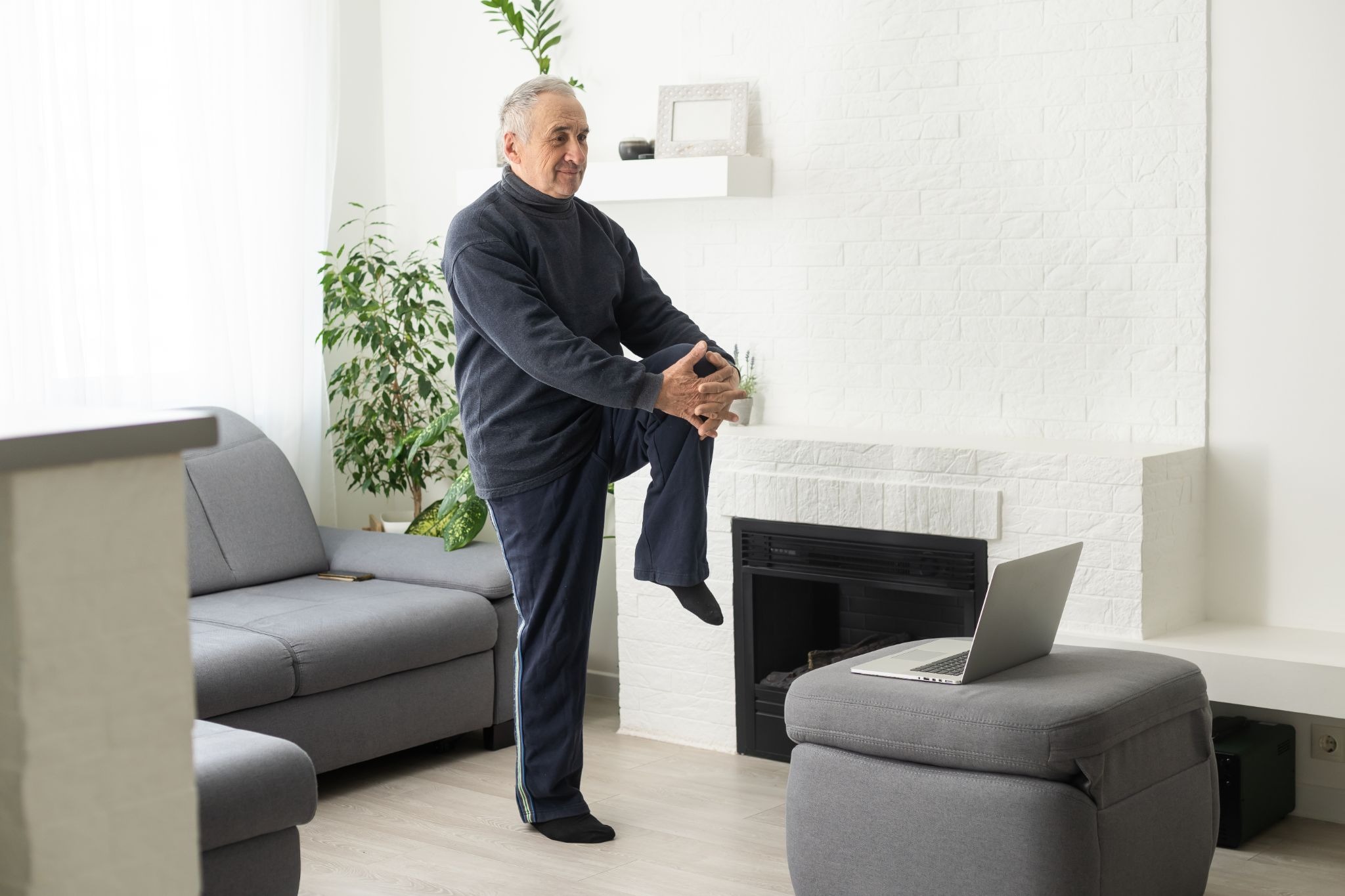

While structured workouts are important, the amount of non exercise activity you engage in daily can be a far more powerful factor in your long-term fat loss success. Known as NEAT, these movements—such as standing, walking, and even fidgeting—accumulate over hours to burn significant amounts of energy without the stress of intense exercise. By finding small ways to move more during your normal routine, you can increase your metabolic rate and support sustainable weight management in a way that feels natural and effortless.
Understanding this process helps explain why some people stay lean without structured exercise and why others struggle despite working out. This article explains how non exercise activity thermogenesis works, its real NEAT benefits, and how daily movement supports passive calorie burn in a sustainable way.
What Is Non Exercise Activity Thermogenesis?
Non Exercise Activity Thermogenesis, commonly called NEAT, refers to the calories your body burns during all physical activity that is not planned exercise. It includes movements that feel too small to matter but happen constantly throughout the day. NEAT is different from workouts. It does not require special clothing, equipment, or schedules. It happens naturally as part of daily life. The key feature is frequency. These movements happen repeatedly, often without conscious effort.
The amount of NEAT varies widely between individuals. Two people with similar body sizes and diets can burn very different numbers of calories depending on how much they move outside of workouts. This variation helps explain differences in weight loss outcomes.
Everyday Movements That Count as NEAT
NEAT includes actions like walking around the house, standing while working, carrying groceries, doing household tasks, and even subtle movements such as shifting posture. These movements may feel insignificant, but they accumulate over time. A person who moves frequently throughout the day can burn hundreds more calories than someone who remains seated most of the time. This difference occurs without additional stress on the body.
How NEAT Contributes to Weight Loss
Weight loss depends on total daily energy expenditure. Exercise contributes to this, but it usually accounts for a small portion of the day. NEAT fills in the remaining hours.
Because NEAT happens continuously, it creates a steady increase in calorie burn. Unlike intense workouts, it does not spike hunger or require long recovery periods. This makes it easier to maintain a calorie deficit without feeling exhausted. NEAT also supports fat loss indirectly. Increased movement improves circulation, glucose usage, and muscle activity. These factors help regulate metabolism and support healthier body composition. Over time, higher NEAT levels can create a meaningful energy gap. This gap supports gradual, sustainable weight loss without relying on extreme dieting or excessive exercise.
NEAT Benefits Beyond Calorie Burn
The advantages of NEAT extend beyond weight loss.
-
Regular movement throughout the day reduces the negative effects of prolonged sitting. It supports joint mobility, posture, and muscular balance.
-
NEAT also benefits mental health. Frequent movement improves mood and reduces feelings of stiffness and fatigue. It helps regulate energy levels and concentration during long workdays.
-
Another important benefit is sustainability. NEAT does not feel like a chore. Because it blends into daily life, it is easier to maintain long term compared to rigid workout plans.
Why Passive Calorie Burn Matters
Passive calorie burn refers to energy used without conscious effort. NEAT increases this background energy expenditure. Instead of relying on short bursts of intense activity, the body burns calories steadily. This steady burn supports metabolic health and reduces reliance on willpower. It also lowers the risk of burnout, which is common with aggressive training programs.
Why Daily Movement Is More Important Than You Think
Modern lifestyles encourage sitting. Many people spend most of their day at desks, in cars, or on screens. Even those who exercise regularly may remain sedentary for long periods. One workout cannot undo an entire day of inactivity. Long sitting periods reduce muscle activation and insulin sensitivity. This can slow fat loss and affect overall health.
Daily movement breaks up sedentary time. Short walks, standing breaks, and light activity help maintain metabolic function. Over weeks and months, these small actions make a noticeable difference. Daily movement also reinforces healthy habits. It keeps the body active and reduces the psychological gap between exercise and rest.
Factors That Influence Non Exercise Activity Levels
NEAT levels are shaped by many factors. Some are biological, while others are environmental or behavioral. Genetics can influence natural movement tendencies. Some people fidget more or prefer standing.
The work environment plays a major role. Jobs that allow movement naturally increase NEAT. Desk-based work reduces it unless movement is intentionally added. Sleep and stress also affect NEAT. Fatigue reduces spontaneous movement. Chronic stress can lower energy levels and motivation to move.
Common Barriers to Increasing NEAT
Common barriers include long work hours, screen dependency, fatigue from under-eating, and environments designed for convenience. These factors reduce movement without people realizing it. Recognizing these barriers helps in finding realistic ways to increase NEAT without forcing drastic changes.
How to Increase NEAT Without Structured Workouts
Increasing NEAT does not require changing your entire routine. Small adjustments create the biggest impact when practiced consistently. Standing more often, walking during phone calls, and adding light movement between tasks increase activity naturally. Choosing stairs over elevators or parking farther away also contributes.
The goal is not perfection. It is awareness. When movement becomes a normal part of the day, calorie burn increases without feeling like extra work. NEAT works best when it fits your lifestyle. Forced strategies rarely last. Natural integration leads to better adherence.
Critical Thinking: Is NEAT Enough for Weight Loss?
NEAT can significantly support weight loss, but it is not a standalone solution for everyone. Results depend on diet, body size, and overall activity levels. For some individuals, increased NEAT combined with mindful eating is enough to create fat loss. For others, structured exercise adds additional benefits such as strength, cardiovascular health, and muscle preservation.
The most effective approach combines NEAT, balanced nutrition, and appropriate exercise. Each component supports the others. Ignoring any one of them limits progress. Understanding personal needs and constraints helps determine the right balance.
Practical Suggestions for Using NEAT Strategically
NEAT works best when approached strategically rather than randomly. Awareness comes first. Paying attention to how much you move daily reveals opportunities for improvement. Gradual changes are more effective than dramatic shifts. Small increases in movement practiced daily lead to meaningful results over time.
Matching NEAT strategies to your lifestyle increases success. Someone working from home may need different approaches than someone commuting daily. Consistency matters more than intensity. NEAT is about accumulation, not effort.