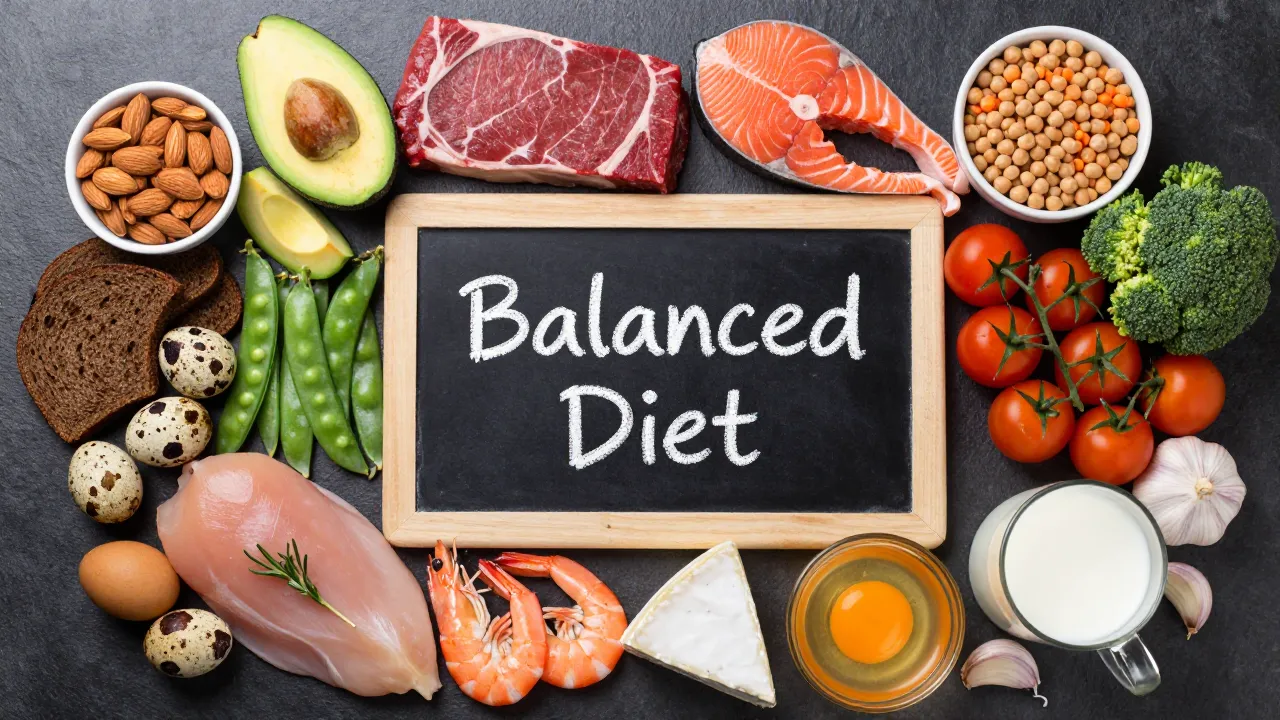

Achieving optimal metabolic health is the quiet foundation of vibrant energy levels and a healthy body weight. Your metabolism is not a fixed rate but a dynamic set of processes influenced heavily by the macronutrient composition of your diet and the timing of your meals. By focusing on nutrient-dense whole foods and maintaining proper hydration, you can ensure your body efficiently converts food into energy while maintaining the muscle mass necessary for a strong, resilient metabolism.
Understanding Metabolism
It is necessary to first understand what metabolism is and how it works before delving into the particulars of nutrition. Metabolism is simply described as all the biochemical processes that take place in our bodies to ensure that we exist. The processes could be classified into two large groups:
1. Catabolism
The catabolic processes disperse molecules to generate energy. Considering the above, a good example is when you eat carbohydrates, your body is broken down and used as energy. This energy plays an important role in all physical activities of the body, functioning of the body organ and even the mind.
2. Anabolism
Molecules and tissues, on the other hand, are accumulated in anabolic processes. As an example, when you eat protein your body utilizes the amino acids to restore and develop the muscle tissue. This is a critical process to growth, recuperation and muscle-mass.
Balance of catabolism and anabolism is taken into consideration in your Total metabolism and it may have an effect on your energy level, weight and body composition.
The Role of Nutrition in Metabolic Health
Nutrition plays a crucial role in shaping your metabolism. The types of foods you eat, their nutritional composition, and your overall dietary patterns can significantly impact your metabolic health. Here are some key ways nutrition influences metabolism, energy, and fat loss:
1. Macronutrient Composition
Carbohydrates, proteins, and fats can be discussed as the three main macronutrients whose impact is different on the metabolism and energy level. The following are the contributions made by each macronutrient:
Carbohydrates
Carbohydrates are the body’s primary source of energy. They can be classified into simple and complex carbohydrates:
- Simple Carbohydrates: Found in sugary foods and drinks, they can lead to rapid spikes in blood sugar and insulin levels, followed by crashes that leave you feeling fatigued and hungry.
- Complex Carbohydrates: Found in whole grains, legumes, fruits, and vegetables, these provide a more gradual release of glucose into the bloodstream, promoting sustained energy levels. Foods high in fiber, such as oats and quinoa, can also improve satiety and aid in fat loss.
Proteins
Protein is essential for muscle repair and growth, and it plays a significant role in metabolism. Here’s how it influences fat loss:
- Thermic Effect of Food (TEF): Protein has a higher thermic effect compared to carbohydrates and fats, meaning it requires more energy to digest and metabolize. This can lead to an increase in calorie expenditure after meals.
- Satiety: High-protein foods can enhance feelings of fullness, reducing the likelihood of overeating. Including lean protein sources, such as chicken, fish, beans, and legumes, in your meals can support weight management.
Fats
Fats are essential for hormone production, nutrient absorption, and providing energy. However, not all fats are created equal:
- Healthy Fats: Unsaturated fats, found in foods like avocados, nuts, seeds, and olive oil, can support metabolic health and provide long-lasting energy.
- Saturated and Trans Fats: These types of fats, often found in processed foods and fried items, can negatively impact metabolic health and contribute to weight gain.
2. Meal Timing and Frequency
The timing and frequency of your meals can also influence your metabolism and energy levels. Here are some considerations:
Meal Frequency
The idea that eating small, frequent meals boosts metabolism is a common belief, but research shows mixed results. Instead, focus on:
- Personal Preference: Some individuals may thrive on three larger meals a day, while others prefer smaller, more frequent meals. Choose a pattern that suits your lifestyle and keeps you satisfied.
- Nutrient Timing: Consider timing your carbohydrate intake around workouts to provide energy for exercise and support recovery. Consuming protein after workouts can aid in muscle repair.
Intermittent Fasting
Intermittent fasting (IF) is a dietary pattern involving cycling between periods of eating and fasting. Research suggests that IF may have benefits for metabolic health, including:
- Improved Insulin Sensitivity: IF can enhance insulin sensitivity, which is crucial for regulating blood sugar levels and promoting fat loss.
- Increased Fat Oxidation: During fasting periods, the body may shift from using glucose for energy to utilizing stored fat, potentially aiding in fat loss.
3. The Impact of Micronutrients
Micronutrients, including vitamins and minerals, play vital roles in metabolic processes. Here’s how they contribute:
Key Micronutrients for Metabolic Health
- B Vitamins: B vitamins, including B1, B2, B3, B6, and B12, are essential for energy metabolism. They help convert carbohydrates, fats, and proteins into usable energy.
- Vitamin D: Adequate vitamin D levels are linked to better metabolic health and may support weight management. You can obtain vitamin D through sunlight exposure, fortified foods, and supplements.
- Magnesium: Magnesium is involved in over 300 biochemical reactions in the body, including those related to energy production and muscle function. Foods high in magnesium include leafy greens, nuts, seeds, and whole grains.
- Iron: Iron is crucial for oxygen transport in the blood and energy production. Iron-rich foods include lean meats, beans, lentils, and fortified cereals.
4. The Role of Fiber
Fiber is a type of carbohydrate that the body cannot digest. It plays a crucial role in metabolic health in several ways:
Benefits of Dietary Fiber
- Improved Digestion: Fiber promotes healthy digestion and regular bowel movements, which can prevent bloating and discomfort.
- Enhanced Satiety: High-fiber foods, such as fruits, vegetables, and whole grains, can help you feel full longer, reducing overall calorie intake and supporting weight management.
- Blood Sugar Regulation: Soluble fiber can help stabilize blood sugar levels by slowing the absorption of sugar into the bloodstream, reducing the risk of insulin spikes and crashes.
5. Hydration and Metabolism
Staying hydrated is essential for optimal metabolic function. Here’s how hydration impacts your metabolism:
The Importance of Water
- Energy Production: Water is involved in various metabolic processes, including energy production. Even mild dehydration can lead to decreased energy levels and impaired performance.
- Appetite Regulation: Sometimes, feelings of hunger can be mistaken for thirst. Staying hydrated can help prevent unnecessary snacking and support weight management.
- Caloric Burn: Drinking cold water may temporarily increase metabolism as the body works to warm the water to body temperature, although the effect is relatively small.
Strategies for Optimizing Metabolic Health Through Nutrition
Now that we’ve explored how food influences metabolic health, let’s discuss practical strategies for optimizing your nutrition to enhance energy levels and promote fat loss.
1. Focus on Whole, Nutrient-Dense Foods
Prioritize whole, minimally processed foods that provide essential nutrients:
- Fruits and Vegetables: Aim to fill half your plate with a variety of colorful fruits and vegetables. They are rich in vitamins, minerals, antioxidants, and fiber, supporting overall health and metabolic function.
- Whole Grains: Choose whole grains over refined grains. Foods like brown rice, quinoa, oats, and whole-grain bread provide fiber and essential nutrients.
- Lean Proteins: Include a variety of lean protein sources in your diet, such as chicken, fish, tofu, legumes, and low-fat dairy. Aim for at least one source of protein in each meal.
- Healthy Fats: Incorporate healthy fats from sources like avocados, nuts, seeds, and olive oil. These fats support hormone production and can help keep you satisfied.
2. Plan and Prepare Meals
Meal planning and preparation can simplify healthy eating and help you make better choices throughout the week:
- Create a Weekly Menu: Plan your meals in advance, including snacks. This can help you stay organized and ensure you have healthy options on hand.
- Batch Cooking: Prepare larger quantities of healthy meals and freeze portions for later. This can save time and make it easier to grab nutritious meals when you’re busy.
3. Monitor Portion Sizes
Being mindful of portion sizes can help prevent overeating:
- Use Smaller Plates: Serving meals on smaller plates can help control portions and reduce overall calorie intake.
- Practice Mindful Eating: Focus on your meals without distractions, such as screens. Chew slowly and pay attention to hunger and fullness cues.
4. Stay Active
Regular physical activity is essential for metabolic health and fat loss. Here are some tips to incorporate movement into your routine:
- Find Activities You Enjoy: Engage in activities that you love, whether it’s dancing, hiking, cycling, or swimming. Enjoyable activities are more likely to become a regular part of your routine.
- Incorporate Strength Training: Building muscle through strength training can boost your metabolism, as muscle tissue burns more calories at rest compared to fat tissue.
- Stay Active Throughout the Day: Look for opportunities to increase your daily activity. Take the stairs instead of the elevator, go for short walks during breaks, or try standing desks.
Conclusion
Metabolic health is very important in the general well being and nutrition contributes greatly towards determining how our bodies use the energy and handle fats. With the knowledge of food and metabolism you would be able to make well-informed food choices to carry out which can help sustain your energy levels, fat burning and improve your overall health.
Eat foods that are whole, rich in nutrients, pay attention to the quantity of food and remain active to maximize your health. It is worth remembering that sustainable changes are not immediate, and thus you will have to be patient with yourself on your way to better health. Through proper nutrition and lifestyle, you would have long-term outcomes and benefit from the results of a healthy metabolism.