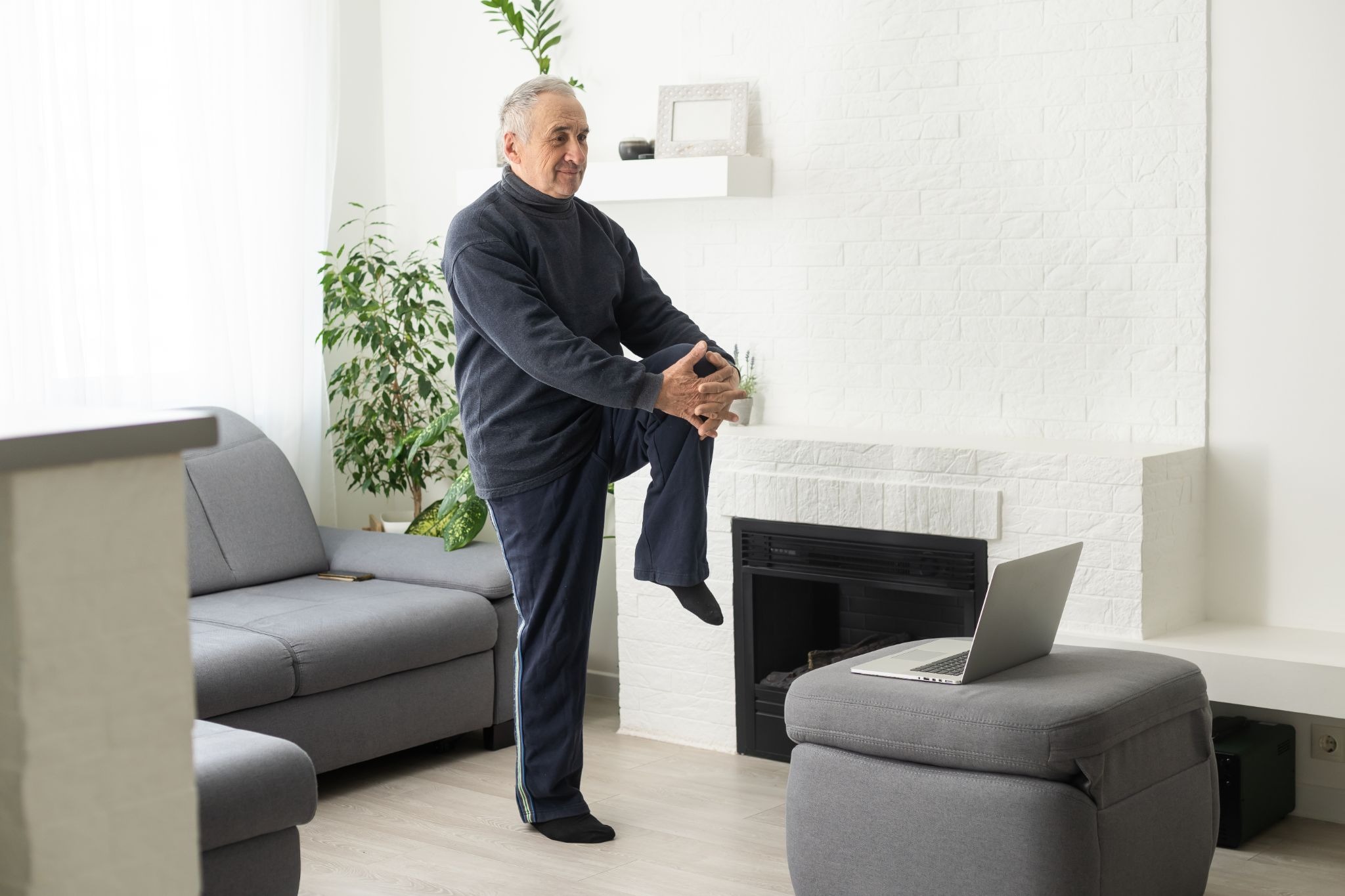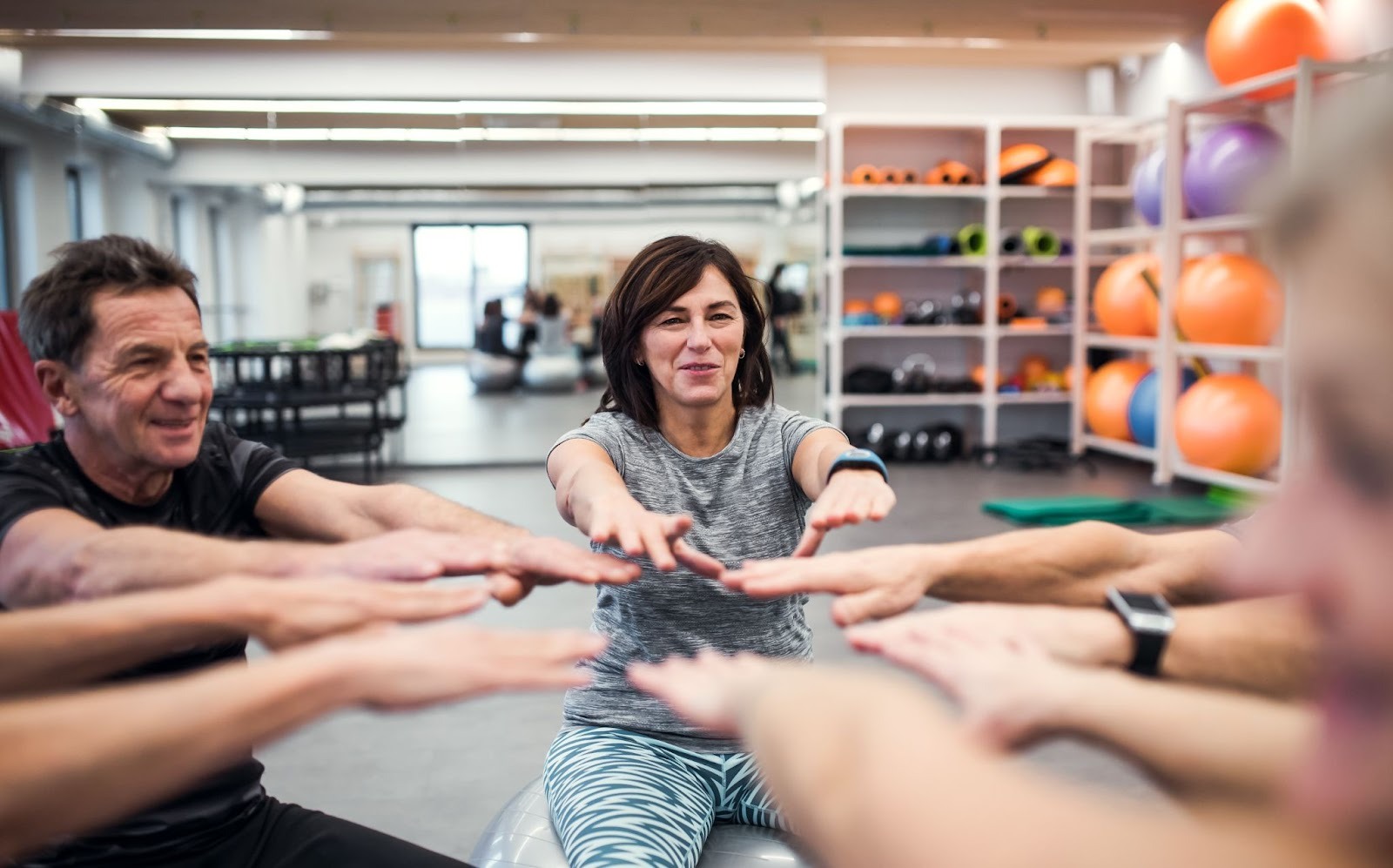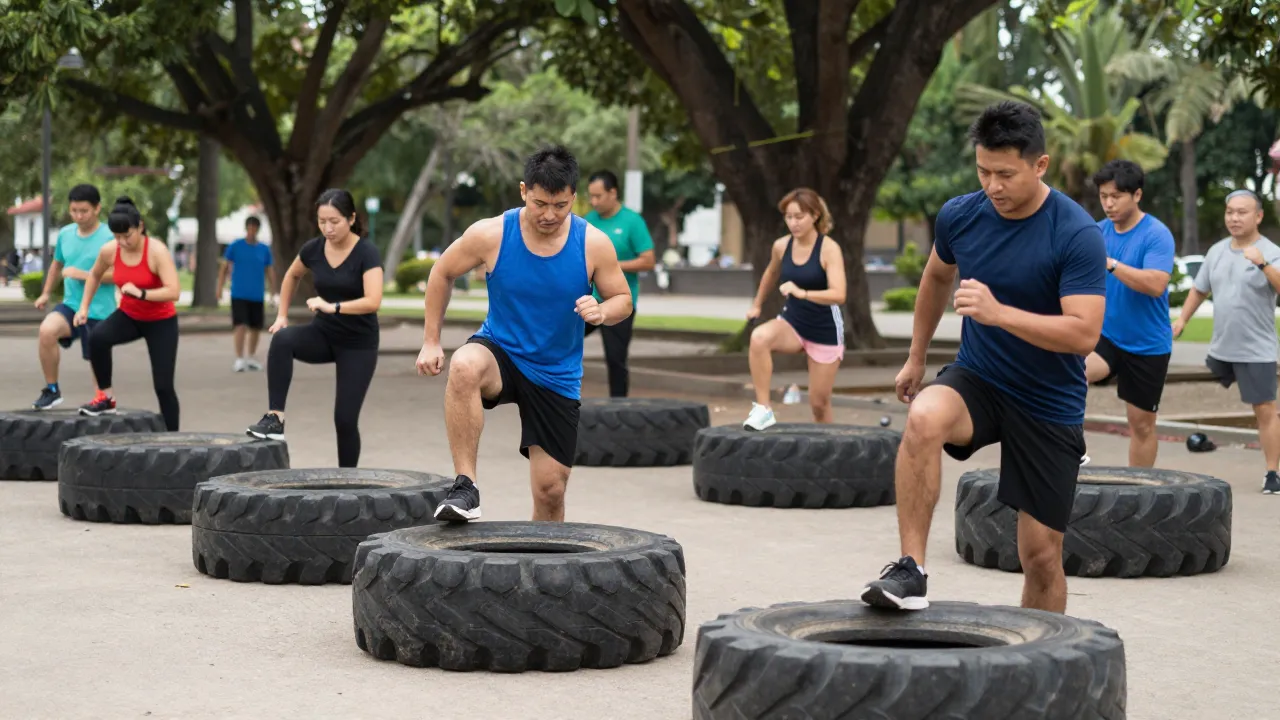

If jumping, running, and burpees make your knees or back hate you, you’re not alone. Many people need exercise that feels challenging, but not punishing. That’s exactly what low impact workouts offer. They let you burn calories, build strength, and improve your health with far less stress on your joints. You still work hard. You just do it in a smarter, kinder way.
This guide explains what low impact really means, why it protects your joints, how it still burns serious calories, and how to turn gentle cardio into sustainable fitness you can actually enjoy.
What Are Low Impact Workouts?
Low impact workouts are exercises where there’s little or no jumping or hard landing. At least one foot usually stays on the ground, and your joints don’t take repeated pounding.
Think brisk walking instead of running. Cycling instead of sprinting on concrete. Step-backs instead of jump lunges. Low impact does not mean low effort. You can breathe hard, sweat, and feel your muscles work. The only difference is how much shock hits your knees, hips, ankles, and spine.
They’re especially helpful if you:
- Have knee, hip, ankle, or back pain
- Live with arthritis or past joint injuries
- Carry extra body weight and feel impact strongly
- Are older, postpartum, or returning after a long break
Myths About Low Impact Training
Low impact workouts are often seen as “for old people” or “too easy.” That’s simply wrong. Many athletes rotate them in to stay fit while recovering from harder sessions.
Another myth is that you can’t burn many calories without jumping. In reality, a fast walk up a hill, a tough bike ride, or a strong low impact circuit can all be intense gentle cardio sessions.
Why Low Impact Workouts Help Your Joints and Health
Every landing sends force up through your feet and legs. When you jump and land, those forces multiply. A healthy body can handle some of that, but too much, too often, especially on sore joints, can cause trouble. Low impact training reduces that constant shock. Your joints still move through their range, and your muscles still support you, but the impact is much lower.
Low impact workouts also support your overall health. They help your heart and lungs work better, improve blood flow, help regulate blood pressure, and often make sleep and mood better. Because these workouts are easier to recover from, you can do them more often. That steady consistency is the real engine of sustainable fitness.
How Low Impact Workouts Still Burn Calories
Calorie burn depends mostly on effort, time, and muscle involvement, not on how dramatic the movement looks.
You burn more when:
- Your heart rate rises above resting level
- You move for a meaningful amount of time
- You use big muscle groups like legs and glutes
You can do all of that with low impact workouts. A 30–40 minute brisk walk, an interval ride on a bike, or a low impact strength circuit can burn a lot of energy, especially when repeated several times a week.
Intervals are a powerful tool. During a walk, you might go at your normal pace for two minutes, then walk faster for one minute, and repeat. On a bike, you can pedal lightly for a few minutes, then add resistance for short pushes. Your joints stay comfortable, but your heart and lungs are challenged.
Over weeks and months, regular, moderate work often beats rare, brutal sessions that leave you sore and unmotivated. The quiet power of low impact training is that you can keep showing up.
Types of Low Impact Workouts to Try
You don’t need a gym or special gear to start. Pick one or two options that feel realistic, then build from there.
Walking and Incline Walking
Walking is the simplest joint friendly exercise there is. Start with an easy five-minute warm-up, then move into a pace where you feel a little breathless but can still talk in short sentences.
If you’re outdoors, choose routes with gentle hills. If you’re indoors on a treadmill, add a small incline. That raises your heart rate without forcing you to run. Keep your posture tall, shoulders relaxed, and strides comfortable.
Cycling and Stationary Bike
Cycling is easier on knees and hips because your feet stay fixed and your legs move in a smooth circle. On a stationary bike, adjust the seat so your leg is slightly bent at the bottom of the pedal stroke.
Begin at a light resistance, then add short intervals where you pedal harder against the pedals. Outdoors, use gears to manage hills so your knees don’t feel overloaded. A well-paced ride can be serious gentle cardio.
Elliptical Trainer
The elliptical mimics running motions but keeps your feet on the pedals, so there’s almost no impact. Many machines have moving handles, so your upper body helps too.
Start with low resistance to learn the motion. Over time, increase resistance or incline to push yourself more. You get a strong cardio session without constant pounding on your joints.
Swimming and Water Workouts
Water supports your body weight and cushions your joints. That makes swimming laps, water jogging, or aqua aerobics great for people with pain or higher body weight.
Because water is dense, every movement meets resistance. You get both cardio and strength work in one session. Many people find this one of the most comfortable paths to sustainable fitness.
Low Impact Strength and Circuits
Strong muscles protect your joints by absorbing some of the forces that would otherwise reach them. You can build that strength with low impact moves like squats, step-backs, wall push-ups, hip bridges, and light dumbbell exercises.
Put several moves together and repeat them in a circuit. You stay mostly grounded, but your heart rate rises as you move from one exercise to the next.
Building a Low Impact Workout Routine
To see real changes, you need regular practice, but your routine can stay simple. A good starting goal is at least 150 minutes per week of moderate low impact workouts, such as 30 minutes on five days. Over time, you can build toward 200–300 minutes a week if weight loss or bigger fitness gains are your aim.
A balanced week might include:
- Three to five days of walking, cycling, elliptical, or swimming
- Two or three days of low impact strength circuits
You can combine strength and cardio in the same session: for example, 20 minutes of walking followed by 15 minutes of simple strength work. Always warm up gently for five minutes and cool down with slower movement and light stretching.
Making Low Impact Workouts Sustainable and Enjoyable
The best plan is the one you can stick with when life gets busy. If you hate running but enjoy walking while listening to a podcast, choose walking. If you like structure, follow a beginner-friendly low impact video. If you’re social, try a gentle group class or walk with a friend.
It also helps to track progress in more ways than just the scale. Notice changes in:
- Daily energy and mood
- How easy stairs and chores feel
- Sleep quality and stiffness levels
On low-energy days, you don’t have to quit. Do ten or fifteen minutes at an easier pace instead of nothing. That keeps your habit alive and respects how your body feels.
When to Be Careful and Ask for Help
Most people can start low impact exercise safely with a bit of common sense. But if you have severe joint pain, recent surgery, unstable heart or lung conditions, or complex medical issues, speak with a doctor first.
A physical therapist or qualified trainer can help you select the safest joint friendly exercises and tweak positions so they fit your specific body. Sharp, stabbing, or increasing joint pain is a signal to stop and reassess. Mild muscle fatigue is fine; worsening joint pain is not. Listening to your body, adjusting early, and getting advice when needed will let you keep enjoying movement for years.
FAQs
1. Can low impact workouts really help with weight loss?
Yes. Done often, low impact workouts burn calories and support fat loss, especially when paired with balanced eating, better sleep, and more general daily movement like walking.
2. How many days a week should I do low impact exercise?
Most people do well with three to five days of gentle cardio plus two or three strength sessions. Start smaller if needed, then slowly increase time or frequency based on comfort.
3. Are low impact workouts enough for beginners?
They’re ideal for beginners. You can build fitness, coordination, and confidence without overwhelming your joints or nervous system, then choose to stay low impact or progress later.