Shifting your focus toward low fat recipes is a highly effective strategy for reducing calorie density while still enjoying large, satisfying portions of food. Since fat is the most calorie-dense nutrient, reducing it strategically allows you to prioritize high-protein and high-fiber ingredients that keep you full longer. By using clever flavor-building tools like fresh herbs, spices, and acidic elements, you can create meals that are incredibly delicious and perfectly aligned with your weight loss objectives.
This guide will show you how to create flavorful meals that support calorie control without feeling restrictive. You’ll learn smart cooking techniques, ingredient swaps, and practical healthy cooking tips you can use every day. These ideas work whether you’re cooking for weight loss or long-term health.
Why Low Fat Recipes Help With Calorie Control
Fat is the most calorie-dense macronutrient. One gram of fat contains more than double the calories of protein or carbohydrates. That doesn’t make fat bad, but it does mean it adds up quickly.
When you reduce fat strategically, you can eat larger portions for fewer calories. This is one reason fat loss meals often feel more filling when they’re lower in fat and higher in volume. Low fat meals also make calorie tracking easier. Oils, dressings, and spreads are easy to overuse. Removing or reducing them gives you more control over total intake without shrinking your plate.
Understanding Calories Per Gram
Each macronutrient affects calorie intake differently.
-
Fat: 9 calories per gram
-
Protein: 4 calories per gram
-
Carbohydrates: 4 calories per gram
By shifting meals toward lean protein, vegetables, and whole grains, you can eat more food for fewer calories. That helps with fullness and consistency.
When Low Fat Eating Works Best
Low fat cooking is especially helpful during active weight loss phases. It supports a calorie deficit without extreme restriction. It also works well for people who prefer larger meals and struggle with portion control.
That said, balance still matters. The goal is not to eliminate fat completely, but to use it intentionally.
Flavor-Building Techniques for Low Fat Cooking
One of the biggest mistakes people make is assuming fat equals flavor. In reality, flavor comes from contrast. Salt, acid, heat, texture, and aroma all play a role. Using the right healthy cooking tips can transform simple ingredients into satisfying meals.
Using Herbs, Spices, and Aromatics
Herbs and spices are your best tools in low fat recipes. They add depth without adding calories. Garlic, onions, ginger, chili flakes, cumin, paprika, and black pepper can change a dish completely. Fresh herbs like cilantro, parsley, basil, and thyme brighten meals and add freshness.
To boost flavor even more, try lightly toasting dry spices in a pan before adding other ingredients. This releases their natural oils and enhances aroma.
Acid and Umami for Flavor Balance
Acid makes food taste alive. A squeeze of lemon, a splash of vinegar, or tomatoes in a sauce can replace the richness usually provided by fat. Umami adds savoriness. Mushrooms, low-sodium soy sauce, tomato paste, and nutritional yeast are excellent low fat options. They make meals feel hearty and complete.
Smart Ingredient Swaps for Low Fat Recipes
Small changes in ingredients can significantly reduce fat while keeping meals enjoyable. These swaps are simple and practical.
Low Fat Protein Choices
Protein is essential for fullness and muscle maintenance. Lean options work best in low fat cooking.
Skinless chicken breast, turkey, lean fish, egg whites, tofu, beans, and lentils are excellent choices. Cooking methods matter here. Overcooking lean protein makes it dry. Marinating proteins with spices, citrus, or yogurt helps keep them juicy without adding fat.
Dairy and Sauce Alternatives
Creamy sauces are often the highest-fat part of a meal. Replacing them doesn’t mean giving them up entirely. Greek yogurt works well in dressings and sauces. It adds creaminess and protein with minimal fat. Tomato-based sauces, blended vegetables, or broth-based reductions can replace oil-heavy sauces. Even mashed beans or roasted vegetables can create thick, satisfying sauces without excess calories.
Best Cooking Methods for Flavorful Fat Loss Meals
How you cook matters just as much as what you cook. The right method can improve texture and flavor without adding fat.
Grilling, Roasting, and Air Frying
-
Dry-heat cooking methods bring out natural flavors. Grilling and roasting caramelize food, adding depth and richness.
-
Air fryers are also useful. They mimic the texture of frying using minimal or no oil. Vegetables become crispy, and proteins stay tender when cooked correctly.
The key is proper seasoning and temperature control.
Steaming, Poaching, and Sautéing Without Oil
Steaming and poaching preserve moisture and nutrients. They’re ideal for fish, vegetables, and delicate proteins. For sautéing, use broth, water, or wine instead of oil. A non-stick pan helps prevent sticking. You still get flavor, especially when aromatics are added early.
Sample Low Fat Recipes for Everyday Meals
Low fat cooking should be practical. These meal ideas focus on simplicity, flavor, and satiety.
Low Fat Breakfast Ideas
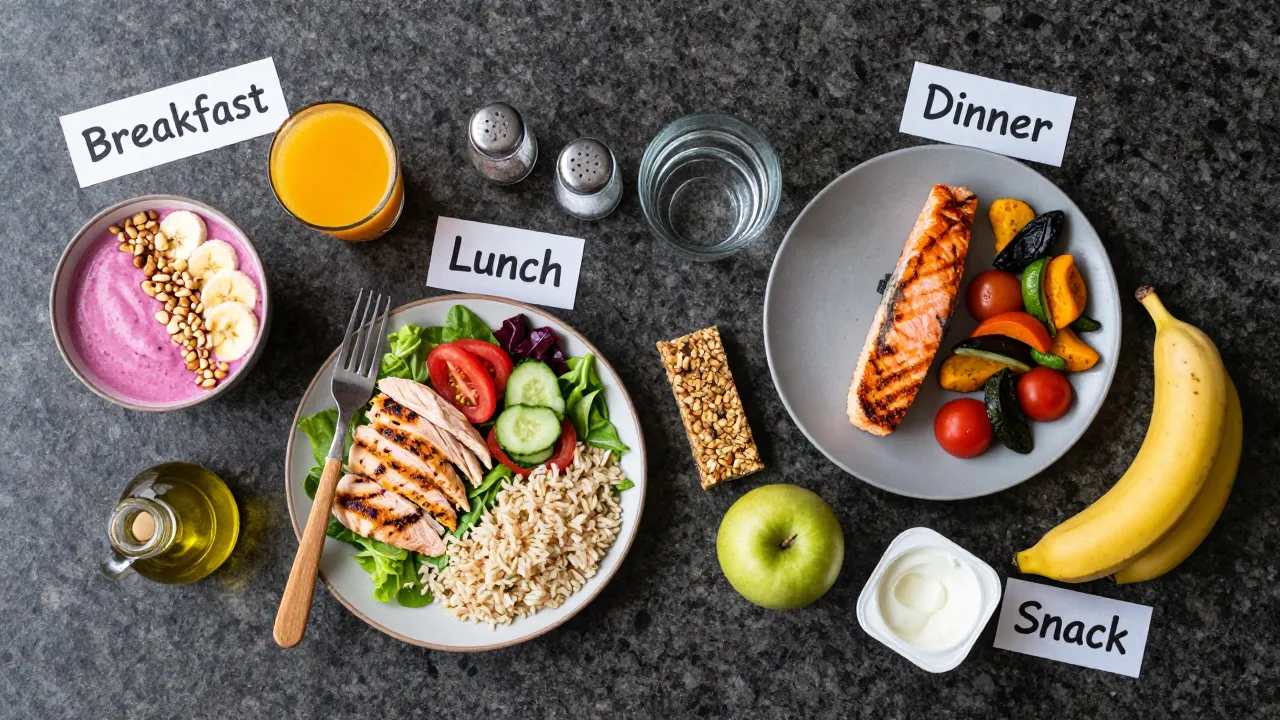
Breakfast sets the tone for the day. High-protein, low-fat options help control hunger. Egg white scrambles with vegetables, oatmeal with fruit and spices, or Greek yogurt with berries and cinnamon work well. Flavor comes from seasoning, not added fat.
Satisfying Low Fat Lunches
Lunch should be filling but not heavy. Think volume and balance. Large salads with lean protein, beans, and flavorful dressings made from yogurt or vinegar are effective. Soups with broth, vegetables, and legumes also provide fullness with fewer calories.
Flavor-Packed Low Fat Dinners
Dinner doesn’t need to feel restrictive. Stir-fries with minimal oil, roasted vegetables with spices, or grilled protein with tomato-based sauces can feel like comfort food. Using herbs, acids, and umami-rich ingredients makes meals satisfying without excess fat.
Making Low Fat Recipes More Filling and Sustainable
One concern with low fat eating is hunger. This can be avoided with smart planning.
Fiber and Protein Pairing
Fiber slows digestion and adds volume. Protein increases satiety. Combining both keeps you full longer. Vegetables, whole grains, beans, and lean protein should appear in most meals. This approach supports weight loss without constant hunger.
Portion Size and Meal Timing Tips
Eating larger portions of low calorie foods helps prevent overeating later. Spreading protein intake throughout the day also supports appetite control. Consistency matters more than perfection. Meals should feel enjoyable, not forced.
Common Mistakes to Avoid With Low Fat Cooking
Low fat eating works best when it’s balanced and realistic.
Removing All Fats Completely
Healthy fats are important for hormone health and nutrient absorption. Completely avoiding fat can backfire. The goal is moderation. Small amounts of olive oil, nuts, or seeds can fit into a low fat approach when used intentionally.
Relying on Processed “Low Fat” Foods
Many packaged low fat foods replace fat with sugar or additives. These products can increase cravings and reduce meal satisfaction. Whole, nutritious recipes built from simple ingredients are more effective for long-term success.
Conclusion
Low fat eating does not have to be dull or restrictive. With the right techniques, low fat recipes can be flavorful, filling, and easy to maintain.
By focusing on seasoning, cooking methods, and smart ingredient choices, you can enjoy meals that support calorie control without sacrificing satisfaction. These healthy cooking tips make it possible to build sustainable fat loss meals that fit into real life. Weight loss works best when food feels enjoyable. When meals taste good, consistency becomes easier. And consistency is what leads to results.