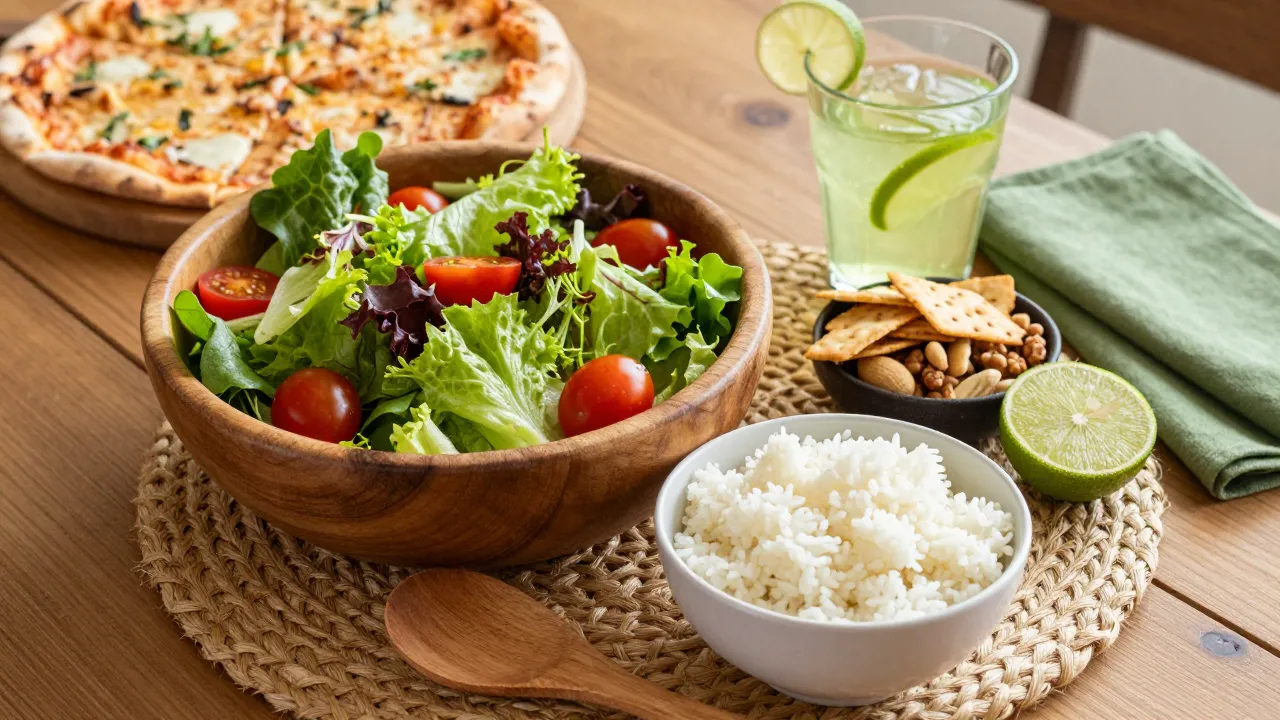
Mastering the art of low calorie cooking does not mean sacrificing the flavors and textures that make eating enjoyable. By focusing on specific techniques like roasting, steaming, and grilling, you can enhance the natural sweetness and savory notes of your ingredients without adding unnecessary fats. This approach to nutrition allows you to manage your weight effectively while nourishing your body with whole, nutrient-dense foods that support your long-term health and vitality.
Here in the blog, we will get to know different cooking methods that do not destroy flavour and nutrition, we will tell you tips on using low-calorie ingredients and some useful tips on creating dishes that are both low-calorie and tasty.
The Importance of Low-Calorie Cooking
Cooking low-cal is an alternative that is very crucial in the management of weight and health in general. Here are some key benefits:
- Favors Weight Loss: When you concentrate on low-calorie food substances and food preparation techniques, you can make food that will help you regulate the calories consumed but at the same time this food will be satisfying.
- Improves Nutritional Value: When cooked on low calorie, the cooked food usually concentrates on whole, nutrient-dense foodstuff, which is healthy.
- Fosters Healthy Eating Habits: Low-calorie cooking skills should help an individual make healthier eating decisions and live a healthier life.
Key Low-Calorie Cooking Techniques
Here are some effective cooking techniques that can help you prepare delicious low-calorie meals:
1. Grilling
Grilling is an excellent way to cook proteins and vegetables with minimal added fats. Here’s how to make the most of grilling:
- Choose Lean Cuts: Opt for lean meats like chicken breast, turkey, or fish. These options are lower in calories and fat.
- Marinate for Flavor: Use marinades made from herbs, spices, and citrus juices to enhance flavor without adding calories. Avoid sugary or creamy marinades that can increase calorie counts.
2. Roasting
Roasting brings out the natural sweetness and flavors of vegetables and proteins. Here’s how to roast effectively:
- Use Minimal Oil: When roasting vegetables, use just a drizzle of olive oil and seasonings. This allows you to enjoy flavorful dishes without excess calories.
- High Heat: Roast at high temperatures (around 400°F to 425°F) to achieve caramelization and enhance flavors.
3. Steaming
Steaming is a low-calorie cooking method that preserves nutrients and flavors in food. Here are some tips for steaming effectively:
- Vegetable Medleys: Steam a variety of colorful vegetables to create a nutritious side dish. Season with herbs and spices to add flavor.
- Fish Fillets: Steam fish with lemon, herbs, and a splash of low-sodium soy sauce for a light and flavorful meal.
4. Sautéing with Care
Sautéing can be a great way to prepare meals while keeping calories in check. Here’s how to sauté effectively:
- Use Non-Stick Cookware: A non-stick skillet allows you to use less oil when sautéing vegetables or lean proteins.
- Broth Instead of Oil: Use vegetable or chicken broth in place of oil for sautéing to keep calories low while adding flavor.
5. Baking
Baking can be a healthy way to prepare meals, especially for proteins and vegetables. Here’s how to bake effectively:
- Herb-Crusted Proteins: Bake chicken or fish with a crust of herbs and spices for added flavor without extra calories.
- Vegetable Bakes: Create vegetable bakes by layering sliced vegetables and baking them with herbs and spices for a satisfying casserole.
Flavorful Ingredients for Low-Calorie Cooking
In addition to cooking techniques, incorporating flavorful ingredients can elevate your low-calorie meals. Here are some ingredients to consider:
1. Fresh Herbs and Spices
Using fresh herbs and spices can enhance the flavor of your dishes without adding calories. Here are some ideas:
- Fresh Herbs: Basil, cilantro, parsley, and dill can add vibrant flavors to salads, marinades, and main dishes.
- Spices: Cumin, paprika, turmeric, and garlic powder can add depth and warmth to your meals.
2. Citrus
Citrus fruits like lemons, limes, and oranges can brighten up dishes and add a refreshing zing. Use citrus juice in dressings, marinades, or as a finishing touch on grilled proteins.
3. Low-Calorie Sauces
Opt for low-calorie sauces and dressings to enhance flavor without excessive calories. Consider these options:
- Vinaigrettes: Create simple vinaigrettes using vinegar, mustard, and herbs. These can be drizzled over salads or vegetables.
- Salsa: Fresh salsa made from tomatoes, onions, and cilantro can add a burst of flavor to grilled proteins or tacos.
4. Whole Grains
Whole grains provide fiber and nutrients while being lower in calories compared to refined grains. Consider using quinoa, brown rice, farro, or whole wheat pasta in your meals.
Practical Tips for Low-Calorie Cooking
Here are some practical tips to help you create low-calorie meals that are full of flavor:
1. Plan Your Meals
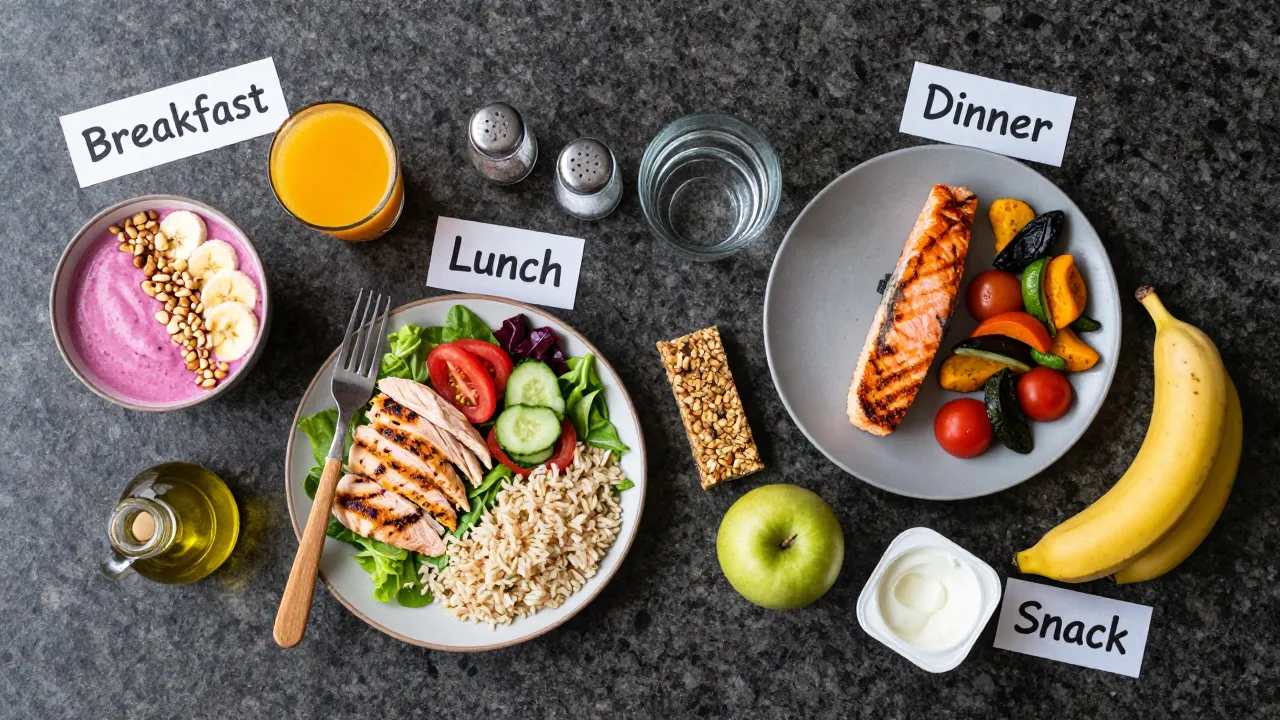
Take the time to plan your meals for the week. This will help you make healthier choices and avoid impulse eating. Consider creating a meal plan that incorporates a variety of low-calorie recipes.
2. Experiment with New Recipes
Don’t be afraid to try new recipes and cooking techniques. Experimenting with different ingredients and flavors can keep your meals exciting and prevent boredom.
3. Cook in Batches
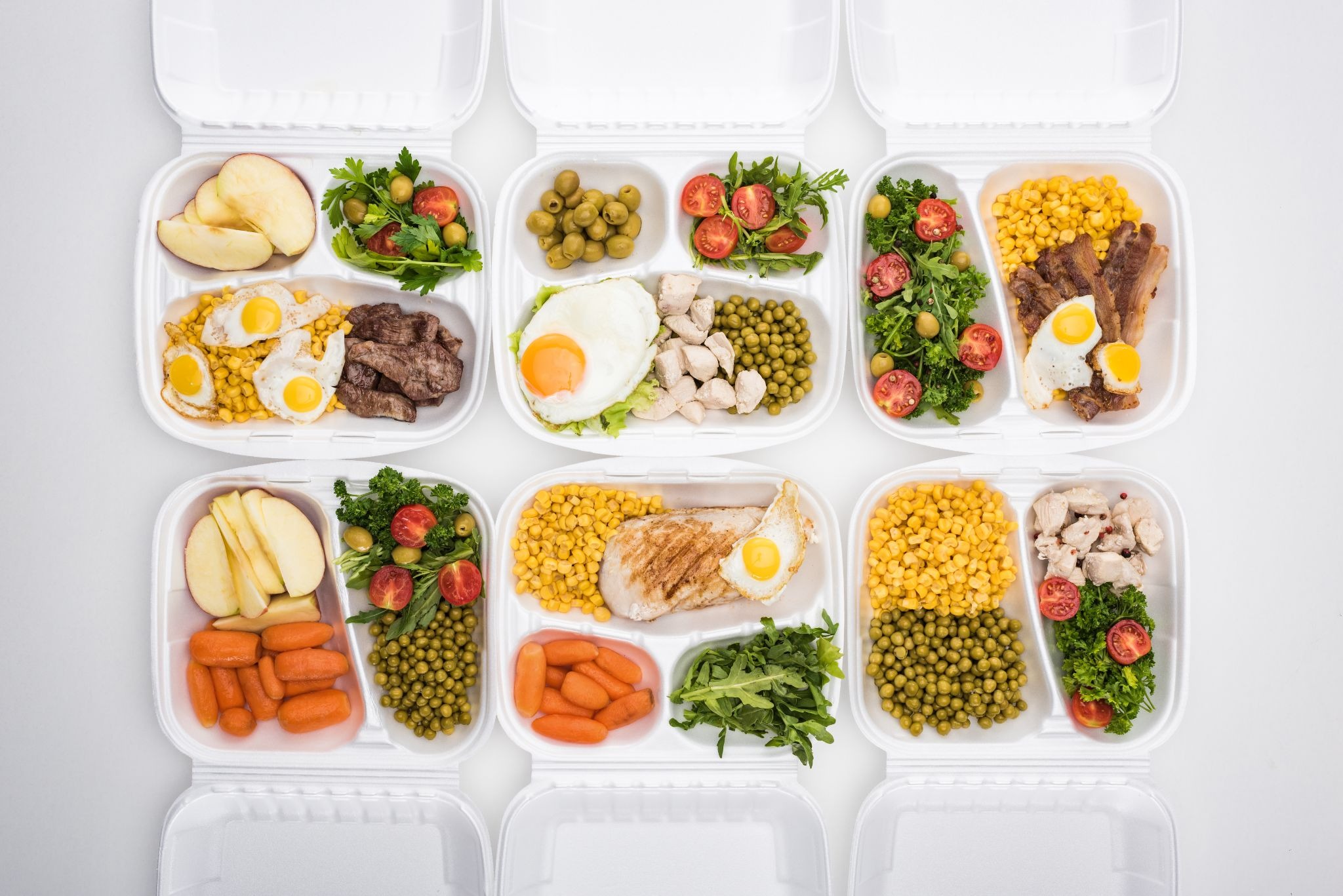
Prepare larger quantities of low-calorie meals and store them in portioned containers. This makes it easy to grab a healthy meal when you’re short on time.
4. Keep Healthy Snacks on Hand
Having healthy snacks readily available can help curb cravings and prevent overeating. Consider options like cut-up vegetables, hummus, yogurt, or fruit.
5. Stay Hydrated
Sometimes thirst can be mistaken for hunger. Drink plenty of water throughout the day to stay hydrated and help manage your appetite.
Overcoming Challenges in Low-Calorie Cooking
While low-calorie cooking can be rewarding, it may also come with challenges. Here are some common hurdles and how to overcome them:
1. Cravings for High-Calorie Foods
Cravings for high-calorie foods can be challenging. Here’s how to manage them:
- Healthy Alternatives: When cravings strike, opt for healthier alternatives. If you’re craving something sweet, try fresh fruit or yogurt instead of sugary snacks.
- Mindful Eating: Practice mindful eating by savoring each bite and being aware of your hunger cues. This can help you feel more satisfied and less likely to overindulge.
2. Social Situations
Social gatherings can present challenges when trying to stick to low-calorie eating. Here are some tips:
- Plan Ahead: If you know you’ll be attending an event, consider eating a healthy snack beforehand to avoid arriving overly hungry.
- Make Informed Choices: When dining out, review menus in advance and look for healthier options. Don’t hesitate to ask for modifications if needed.
3. Time Constraints
Busy schedules can make it difficult to prepare low-calorie meals. Here are some strategies to save time:
- Meal Prep: Dedicate a few hours each week to meal prep. Cooking in batches and portioning meals can save time during the week.
- Quick Recipes: Look for quick and easy recipes that can be prepared in 30 minutes or less. This ensures you can enjoy healthy meals even on busy days.
Conclusion
Low-calorie cooking is an effective way of obtaining weight loss and at the same time, eating delicious and nutritious foods. With proper cooking methods, use of healthy dishes, and preparation in advance you will be able to make some tasty low-calorie recipes that will help you achieve your health objectives.
It is important to keep in mind that the trick to low-calorie food preparation is the emphasis on whole and nutrient-rich foods and the experimentation with cooking techniques and flavors. This is because with the proper attitude and plan, you will have a good and healthy meal to lose weight and maintain a healthy mental and physical condition.