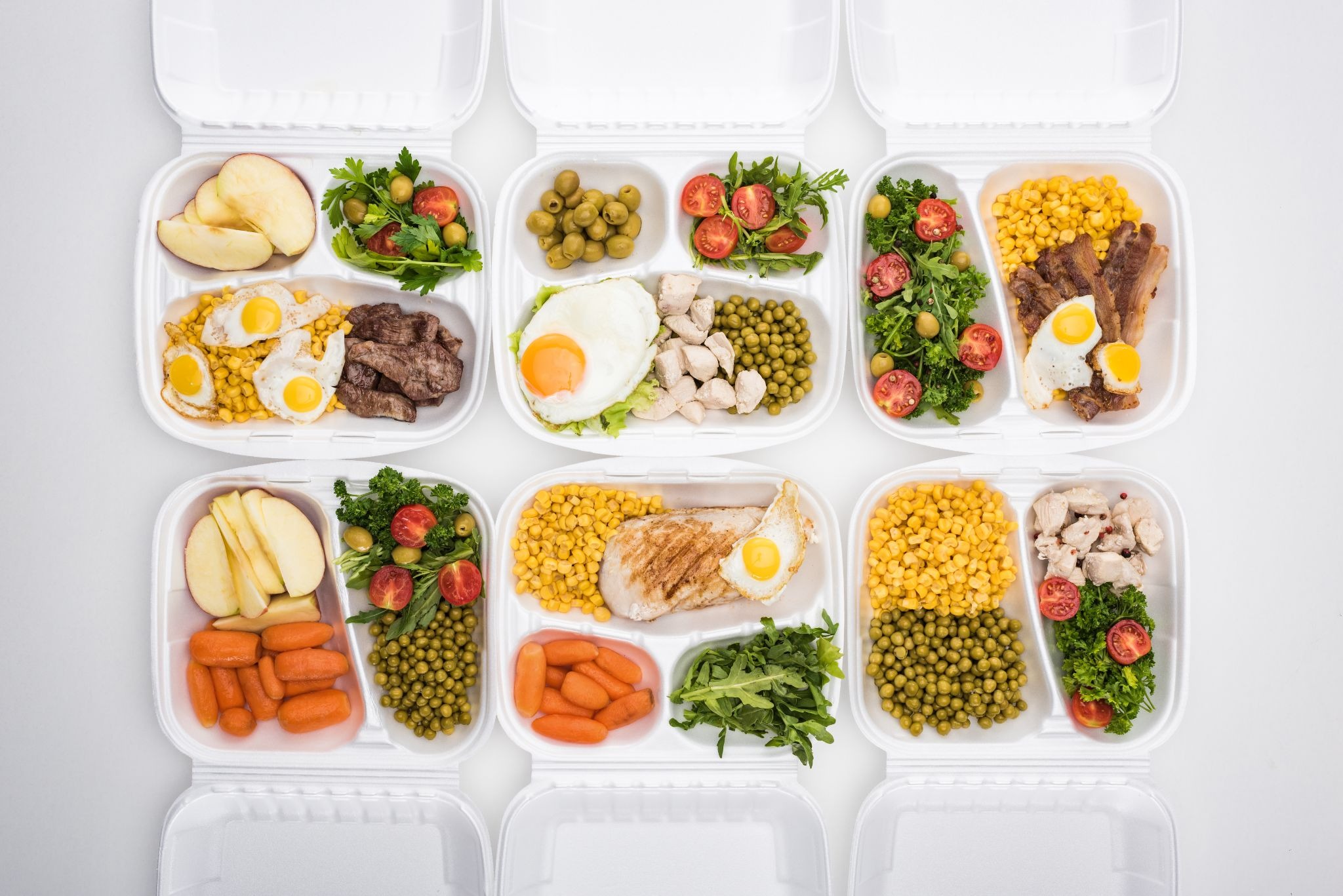
Many people believe that losing weight requires eating tiny portions, but high volume meals allow you to eat until you are full while remaining in a calorie deficit. By prioritizing foods that take up space and provide fiber—like leafy greens and watery vegetables—you can trigger your body’s fullness signals without overconsuming energy. When combined with lean protein and smart carbohydrates, these large portions help you manage hunger hormones and make your weight loss journey feel much more sustainable.
In this guide, you’ll learn what high volume eating actually is, how it works, and how to create filling healthy meals and diet-friendly recipes that help you eat more and weigh less.
What Are High Volume Meals?
High volume meals are meals that look big on the plate but are relatively low in calories. They are built around foods that are naturally light in energy but heavy in volume. Your stomach doesn’t see calories. It reacts to how much space food takes up. When you fill it with large portions made mainly from low calorie foods, your body sends “I’m full” signals to your brain, even though you haven’t eaten a large number of calories.
This is the basic idea behind high volume eating: eat more food by volume and fewer calories overall. That’s how you can feel full and still lose weight.
Why Volume Matters for Weight Loss
Fullness is not only about how much energy you eat. It’s also about how your body responds to the food in your stomach. When you eat, your stomach stretches. That stretch helps trigger hormones that tell your brain you’ve had enough.
High volume meals also tend to be rich in fiber and water. Fiber slows digestion and keeps you satisfied longer. Water adds weight and volume to your food without adding calories. When you combine this with protein, which helps control hunger hormones and supports your muscles, you get meals that keep you comfortable for hours.
The Best Building Blocks for High Volume Meals
To make high volume eating work, you need the right ingredients. Not all low calorie foods are equally satisfying, and not all filling foods fit your goals. The magic happens when you combine volume, fiber, protein, and smart carbs.
Protein and Fiber: The Fullness Team
Volume alone isn’t enough. If you only eat vegetables, you may feel full for a short time, but your hunger can come roaring back. That’s why protein and fiber matter so much.
- Protein is essential for managing hunger and protecting your muscle mass while you lose weight. Including a solid source of protein in every meal turns a pile of vegetables into a true meal, not just a side dish.
- Fiber works with volume to slow digestion and keep you satisfied. When you mix high volume vegetables with protein and fiber, you end up with filling healthy meals that keep you going much longer than a small, calorie-dense snack.
Smart Carbs and Healthy Fats
Carbs and fats still have a place in high volume meals. You don’t have to cut them out. You just need to choose them more carefully and be aware of portions. For carbs, focus on whole grains and starchy vegetables rather than refined, processed options. They provide energy, fiber, and satisfaction. For fats, small amounts go a long way. Foods like avocado, olive oil, nuts, seeds, and nut butters add flavor and creaminess. They help your meals feel complete and satisfying.
How to Build High Volume Meals for Weight Loss
You don’t need a complicated plan to start eating this way. A simple structure for your plate can make high volume eating feel natural.
The “Half Plate” Method
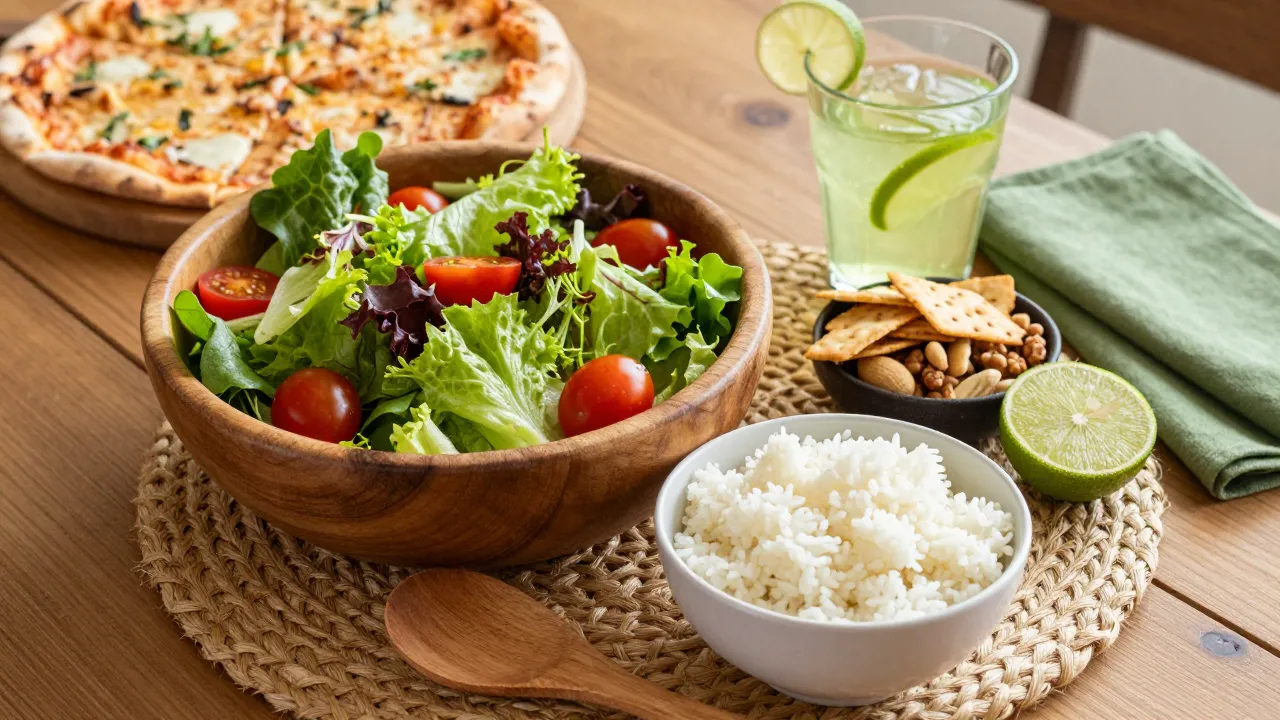
One easy approach is to think of your plate in three parts. Fill about half of it with non-starchy vegetables. This might be a mix of salad greens, cucumbers, tomatoes, bell peppers, broccoli, or any other low calorie vegetables you enjoy. These foods bring volume. Next, fill about a quarter of your plate with a lean protein source. That could be grilled chicken, baked fish, tofu, beans, or eggs. The final quarter of your plate is for whole grains or starchy carbs. You might choose brown rice, quinoa, potatoes, or sweet potatoes.
This simple layout gives you a big, colorful, satisfying meal that still fits into a weight loss plan.
A Simple Formula for Filling Healthy Meals
If you prefer a more flexible formula, you can think about your meals in four steps.
- First, pick your protein. Decide whether the base of your meal will be something like chicken, beans, tofu, eggs, fish, or Greek yogurt. This is your anchor.
- Second, add at least two cups of vegetables, and aim for three when you can. Mix cooked and raw vegetables if you like different textures. A stir-fry with a side salad or a soup with extra vegetables added works well.
- Third, include a small portion of whole grains or starchy carbs if you want them. This might be half a cup to a cup of cooked grains or a medium potato. Adjust the amount based on your appetite and calorie needs.
Follow this formula and you’ll naturally build high volume meals that are balanced, satisfying, and truly diet-friendly.
High Volume Meal Ideas You Can Try
Now let’s turn these ideas into real meals you can eat.
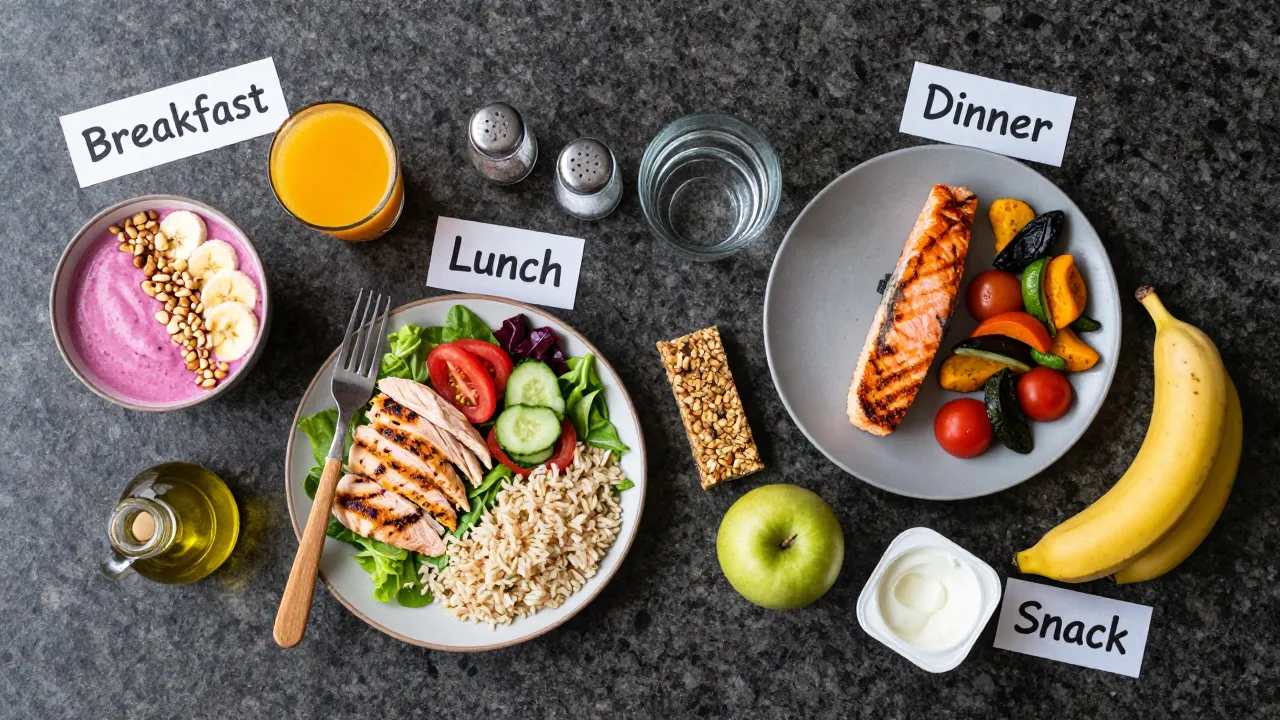
Breakfast Ideas
Breakfast can be both big and light if you choose the right ingredients. One option is a veggie-loaded egg scramble. Cook egg whites with one or two whole eggs and add plenty of spinach, tomatoes, mushrooms, and peppers. Another idea is a high-protein yogurt bowl. Use plain Greek yogurt or another high-protein yogurt as your base. Add a generous amount of berries and a few slices of banana.
Lunch and Dinner Ideas
- Lunch and dinner are where high volume eating really shines. A loaded salad bowl is a great place to start. Fill a large bowl with mixed greens and add a variety of vegetables in different colors and textures. Then top it with a lean protein like grilled chicken, tofu, beans, or tuna.
- Stir-fries are another excellent option. In a large pan, cook vegetables like broccoli, snap peas, bell peppers, zucchini, and onions. Serve the stir-fry over cauliflower rice, or use a mix of cauliflower rice and regular rice to keep calories lower while still getting some carbs.
- Soups make high volume eating almost effortless. Start with a broth base rather than cream. A big bowl of vegetable soup feels warm, comforting, and filling without loading you up with calories.
Snack Ideas That Don’t Blow Your Calories
Snacks can either support your goals or quietly sabotage them. High volume snacks help you stay on track. Instead of reaching for chips or cookies, try crunchy vegetables like carrots, cucumbers, and bell peppers with a couple of tablespoons of hummus. The vegetables add volume and fiber, while the hummus gives you a bit of protein and fat. These choices turn snacks into diet-friendly recipes instead of problem foods.
Mistakes to Avoid With High Volume Meals
High volume eating is powerful, but a few common mistakes can weaken the effect.
- One mistake is overusing dressings, oils, and sauces. A salad that starts out light can become heavy if you pour on creamy dressing, add lots of cheese, and cook your vegetables in a lot of oil. Using spray oil, measuring your oil, choosing vinaigrettes, or using salsa and vinegar can keep your meals flavorful and still light.
- Another mistake is forgetting protein. A huge plate of vegetables with no protein might be filling for an hour, but soon you’ll be hungry again.
- Finally, some people assume that high volume means they can ignore overall calories. Even low calorie foods add up if you eat enormous amounts.
Making High Volume Eating a Habit
For high volume eating to work, it needs to fit into your real life. A bit of planning goes a long way. Washing and chopping vegetables once or twice a week makes it easy to throw together a salad or stir-fry. Equally important is learning to listen to your body. Even with high volume meals, it helps to slow down and notice how you feel as you eat. Pause during the meal and ask yourself if you are still hungry or if you are already comfortable. The goal is not to stuff yourself just because the food is low calorie. It’s to reach a level of fullness that feels good and sustainable.
FAQs About High Volume Meals and Weight Loss
1. Do high volume meals really help with weight loss?
Yes. High volume meals use low calorie foods to create large, satisfying portions. This makes it easier to eat fewer calories without feeling constantly hungry, which is essential for sustainable weight loss.
2. Can I use high volume meals if I don’t like salads?
You can. High volume eating is not just about salads. You can make soups, stir-fries, yogurt bowls, veggie omelets, and even pasta dishes that are heavy on vegetables and moderate on higher calorie ingredients.
3. Will eating more vegetables make me feel bloated?
Some people feel bloated at first if they’re not used to a lot of fiber. If that happens, increase your vegetable intake gradually, drink plenty of water, and pay attention to which foods feel best for you.