In the modern day busy world, it is overwhelming to keep a healthy diet and at the same time lose weight. Having demanding schedules, temptations to fast-foods, and the need to attain weight loss all weigh many people down. One of the most effective methods of making this easier is to plan healthy meals, which would help you to produce healthy meals that would assist in your weight loss process without causing any loss of flavor and pleasure. This guide will cover the concepts of healthy meal planning, offer useful tips to create balanced recipes, and offer tips on how to make sustainable changes in diet.
The Importance of Healthy Meal Planning
Healthy meal preparation does not only assist you to lose weight, but also enhances general health. Here are some key benefits:
- Portion Control: Planning your meals will enable you to regulate the size of portions and thus have easier time managing the calories.
- Nutrient Balance: It makes sure that you eat a mix of nutrients, and you can fulfill the needs of your diet.
- Time and Money Savings: Meal planning may help save the week and save more money used in shopping: it helps to reduce waste.
- Reduced Stress: When you know what you are going to eat, the stress of deciding on which food to buy each day will be reduced and it will be easier to reach your objectives.
Understanding Nutrition Basics
In order to plan healthy meals well, one should be aware of the fundamentals of nutrition. The three primary macronutrients are the following and their functions:
- Carbohydrates: These are the main sources of energy in the body. The emphasis should be put on such complex carbohydrates as whole grains, vegetables, and fruits, which contain lasting energy and fiber.
- Proteins: Essential to muscle repair and development, proteins must be of lean sources including chicken, fish and beans as well as legumes. Eat a meal with protein in it to improve satiety.
- Fats: Good fats are essential in the production of hormones and in the absorption of nutrients. Add foods such as avocadoes, nuts, seeds, olive oil and reduce fatty saturated and trans fat.
The Role of Micronutrients
Micronutrients, vitamins and minerals, are also crucial for overall health. Ensure your meals are colorful and varied to get a broad range of micronutrients. For example:
- Leafy Greens: Spinach and kale are high in vitamins A, C, and K.
- Colorful Vegetables: Carrots, bell peppers, and tomatoes provide antioxidants and essential vitamins.
- Fruits: Berries, oranges, and bananas offer vitamins, minerals, and fiber.
Building Balanced Recipes for Weight Loss
Now that you understand the basics of nutrition, let’s look at how to build balanced recipes that support weight loss.
1. Start with a Base
Every balanced meal should begin with a nutritious base. Consider these options:
- Whole Grains: Use brown rice, quinoa, farro, or whole wheat pasta as your base. These grains are rich in fiber and help keep you full.
- Leafy Greens: Salads made from spinach, kale, or arugula can serve as a low-calorie, nutrient-dense base. They add volume and nutrients without many calories.
2. Add Lean Proteins
Incorporating lean proteins into your meals helps you feel satisfied. Here are some great sources:
- Poultry: Skinless chicken breast or turkey is low in fat and high in protein.
- Fish: Salmon, tuna, and sardines are excellent sources of protein and omega-3 fatty acids, which are beneficial for heart health.
- Plant-Based Proteins: Beans, lentils, chickpeas, and tofu are great options for vegetarians and vegans.
3. Incorporate Healthy Fats
Healthy fats not only enhance flavor but also help with satiety. Consider these sources:
- Avocado: Add slices of avocado to salads or sandwiches for creaminess and healthy fats.
- Nuts and Seeds: Sprinkle almonds, walnuts, or chia seeds on your meals for added texture and nutrition.
- Olive Oil: Use olive oil for cooking or as a salad dressing to provide healthy monounsaturated fats.
4. Load Up on Vegetables
Vegetables should make up a significant portion of your meals. They are low in calories but high in nutrients. Here are some tips:
- Variety is Key: Aim to include a rainbow of colors in your meals. Different colors often indicate different nutrients.
- Preparation Methods: Experiment with different cooking methods, such as roasting, steaming, grilling, or sautéing, to keep vegetables interesting.
5. Flavor Wisely
Using herbs, spices, and healthy condiments can add incredible flavor without adding calories. Here are some ideas:
- Herbs and Spices: Fresh herbs like basil, cilantro, and parsley, along with spices like cumin, paprika, and garlic powder, can elevate the taste of your meals without extra calories.
- Low-Calorie Sauces: Make homemade dressings or sauces using yogurt, vinegar, or lemon juice to enhance flavor without the added sugars and fats found in many store-bought options.
6. Practice Mindful Eating
Mindful eating is not just about what you eat but how you eat. Here are some tips to help you practice mindfulness during meals:
- Eat Slowly: Take your time while eating. Chew your food thoroughly and savor each bite. This can help you enjoy your meals more and recognize when you’re full.
- Limit Distractions: Avoid eating in front of screens or while multitasking. This can help you stay focused on your food and prevent overeating.
Meal Planning Strategies
Meal planning can seem daunting, but with a few strategies, you can simplify the process and make it enjoyable.
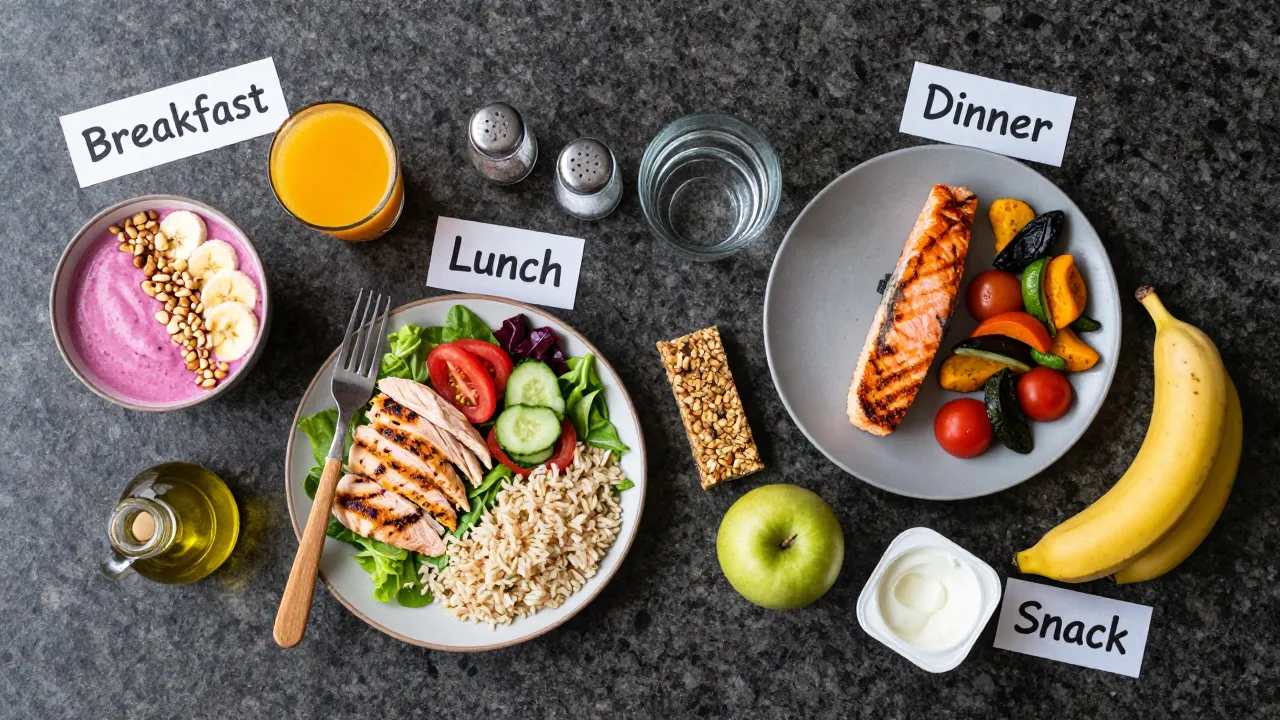
1. Create a Weekly Meal Plan
Set aside time each week to plan your meals. Here’s a simple approach:
- Select Recipes: Choose a variety of recipes that incorporate whole foods and balanced ingredients. Aim for a mix of proteins, grains, and vegetables.
- Create a Grocery List: Based on your meal plan, create a grocery list to ensure you have all the necessary ingredients on hand.
2. Batch Cooking
Batch cooking is an efficient way to prepare meals in advance. Here’s how to do it:
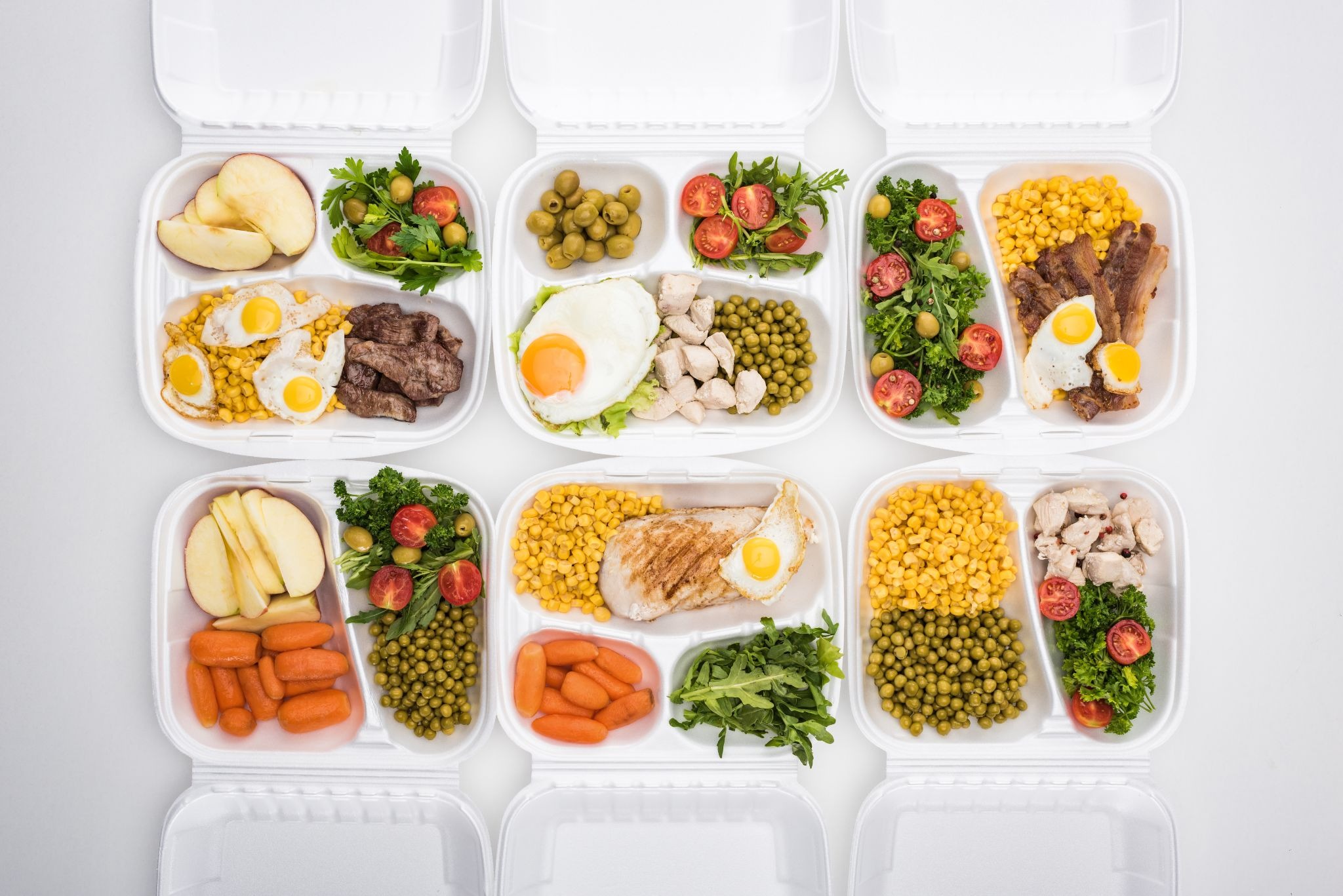
- Cook in Batches: Prepare large quantities of grains, proteins, and roasted vegetables all at once. Store them in the refrigerator or freezer for easy access throughout the week.
- Portion Control: Divide meals into individual portions to make it easy to grab and go during busy days.
3. Use Meal Prep Containers
Investing in reusable meal prep containers can make storing and reheating meals more convenient. Here’s what to consider:
- Choose the Right Size: Select containers that are appropriate for portion sizes and meal types. Smaller containers work well for snacks, while larger ones are perfect for full meals.
- Label Containers: Label your containers with the meal type and date to keep track of freshness.
4. Stay Flexible
While having a meal plan is essential, it’s also crucial to remain flexible. Life can be unpredictable, so allow for adjustments when necessary:
- Swap Ingredients: If you have unexpected leftovers or ingredients, feel free to swap them into your planned recipes. This can help minimize food waste.
- Have Backup Meals: Keep a few healthy, quick meal options on hand for busy days when you don’t have time to cook.
5. Monitor Progress
Tracking your meals and progress can help you stay accountable to your weight loss goals. Consider the following:
- Keep a Food Journal: Maintain a food journal to track what you eat, along with your feelings and hunger levels. This can help you identify patterns and make adjustments as needed.
- Use Tracking Apps: Consider using nutrition tracking apps to monitor your calorie intake and ensure you’re meeting your nutritional needs.
Overcoming Challenges in Meal Planning
Despite your best efforts, challenges may arise during your weight loss journey. Here are some common hurdles and how to overcome them:
1. Social Situations
Social gatherings can present challenges when trying to stick to a healthy meal plan. Here are some strategies:
- Plan Ahead: If you know you’ll be attending an event, eat a healthy snack beforehand to avoid arriving overly hungry.
- Make Informed Choices: When dining out, review menus in advance and look for healthier options. Don’t hesitate to ask for modifications if needed.
2. Cravings
Cravings are a normal part of any weight loss journey. Here’s how to manage them:
- Healthy Alternatives: When cravings strike, opt for healthier alternatives. For example, if you’re craving something sweet, reach for fruit or yogurt instead of sugary snacks.
- Stay Hydrated: Sometimes, thirst can be mistaken for hunger. Drink water throughout the day to stay hydrated.
3. Plateaus
Weight loss plateaus can be frustrating, but they are a normal part of the journey. Consider these tips:
- Reassess Your Plan: If you hit a plateau, take a moment to reassess your meal plan and activity levels. Adjust portion sizes or try new recipes to reignite your progress.
- Focus on Non-Scale Victories: Remember that weight loss isn’t the only measure of success. Celebrate non-scale victories, such as increased energy, improved mood, or fitting into clothes more comfortably.
Conclusion
Healthy meal planning is an effective method of attaining weight loss as well as enhancing well being. Knowing how to make nutritious dishes, creating the perfect meal and following the best tips of meal planning, you can make the process of following a healthy diet much easier.
It is important to remember that the process of losing weight is a long one, and you should always remain patient and gentle with yourself. Target to produce lasting changes that would lead to a healthy lifestyle instead of fast solutions. By using the correct strategy, you will be able to make tasty and healthy meals that will both help in losing weight and improve your living standards.