Your intestines are more than just a digestive tube; the gut health connection influences everything from the clarity of your skin to the ease of your weight loss. Tiny microbes in your gut craft chemical messengers that travel through your blood, talking to your immune system and regulating how you store fat. By nurturing your microbiome with fiber-rich plants and fermented foods, you can calm internal inflammation and achieve a glowing complexion that reflects your internal balance.
Inside the Gut-Skin-Weight Highway
Your gut is not an isolated tube. It is a busy transit hub. Nutrients, bacteria, and immune messengers ride the bloodstream from intestines to skin and fat tissue every second. Scientists dub part of this network the gut skin axis. When the route flows smoothly, skin stays clear and metabolism clicks. When traffic jams, inflammation pops up on cheeks and around organs.
The Skin Messengers
Friendly bacteria make short-chain fatty acids, or SCFAs. These tiny molecules soothe inflammation and help skin retain moisture. Other microbes convert tryptophan from food into indoles that repair the skin barrier. Fewer helpful strains mean fewer protective chemicals and higher risk for acne, eczema, or early wrinkles.
The Weight Signals
Microbes also whisper to appetite hormones. Well-fed bacteria release GLP-1 and PYY. Both blunt hunger and steady blood sugar. Harmful strains leak endotoxins that spark low-grade inflammation and insulin resistance. You store more fat even on the same calories. That is why an unbalanced gut often shows up first as creeping weight gain.
Microbiome Balance and Common Skin Issues
Acne starts inside hair follicles, but gut trouble can fan the flames. Leaky gut allows bacterial fragments to slip into blood, kick up immune alarms, and drive extra oil production. Eczema and rosacea share similar pathways. Dysbiosis tilts immune cells toward Th17, a pro-inflammatory squad that attacks both gut lining and skin.
Even aging speeds up. Oxidative stress rises when friendly microbes drop. Collagen fibers break, fine lines set in sooner, and skin tone turns flat.
A Quick Case Snapshot
Lisa, 28, battled hormonal acne for years. She increased daily fiber from 10 to 30 grams and added one probiotic yogurt. Twelve weeks later her lesion count fell by 40 percent. Her dermatologist noticed calmer redness as well. Gut first, skin followed.
Gut Health Connection to Body Weight Regulation
Calories matter, yet they do not tell the whole story. Certain Firmicutes bacteria wring more energy out of the same plate than Bacteroidetes. An overgrowth can mean you absorb extra calories you never saw. At the same time, endotoxins from harmful strains inflame fat tissue. Leptin the “I’m full” hormone stops getting through to the brain. You feel hungry even when stores overflow.
Microbiota and Brown Fat
Some strains, especially those that raise butyrate, can flip on brown fat. Brown fat burns energy as heat. More butyrate, more heat, easier weight control. Encouraging those strains may be the quiet secret behind many “slow, steady” success stories.
Diet Strategies That Nurture the Gut-Skin Axis
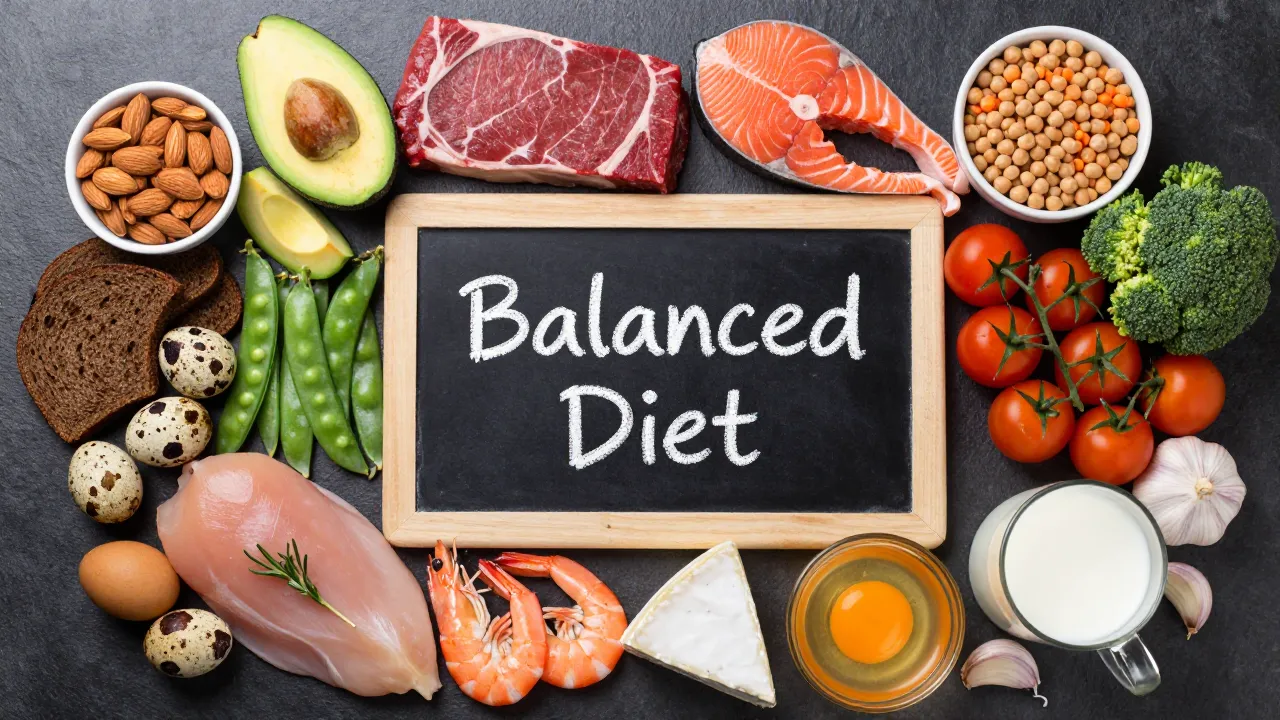
Food is the steering wheel for your microbiome. Fiber, fermented foods, and colorful plants feed the species that keep you glowing and lean.
Sample One-Day Meal Framework
Each meal layers fiber, live cultures, and polyphenols, letting digestion run quietly while skin cells get their spa treatment.
Lifestyle Levers Beyond Food
What happens outside the kitchen still tunes your microbiome.
Warning Signs Your Gut Needs Attention
Bloating after small meals, sudden skin flares, or weight gain despite similar eating patterns can all point to imbalance. Frequent colds, sugar cravings, and mood dips add to the clue list. Your body whispers before it screams.
Evidence-Based Supplement Options
Food should lead, yet targeted supplements help when progress stalls.
-
Spore-forming probiotics survive stomach acid and may calm acne.
-
Synbiotics that combine pre- and probiotics raise GLP-1, easing snacking urges.
-
Zinc-carnosine and collagen peptides mend intestinal walls and dermal layers together.
Always test one change at a time and review with a health professional, especially if you take medication.
Building a Personalized Action Plan
Start simple. Track your skin, stool, and weight for two weeks. Note meals, stress peaks, and sleep hours. Introduce one new fiber source, maybe barley or green banana flour and one fermented serving each day. Check progress after a month. If bloating or breakouts worsen, adjust amounts or consider a stool test to find hidden infections. Personal data beats guesswork.
Conclusion
The gut is more than a digestive tube. It is mission control for clear skin and a healthy body weight. When microbiome balance slips, inflammation rises, acne blooms, and fat clings. Restore that balance with fiber-rich plants, fermented foods, restful nights, and daily movement. Tiny habits compound. Strengthen the gut health connection now, and your mirror and scale will start sending happier signals.