
The phrase calorie deficit often scares people into thinking of restriction and suffering, but when done correctly, it is the safest and most effective path to fat loss. Achieving a deficit doesn’t require extreme dieting or starvation; it simply requires a strategic balance between the energy you consume and the energy you burn. By focusing on food quality, protein intake, and high-volume meals, you can lose weight sustainably while maintaining the energy needed to live your life to the fullest.
This calorie deficit guide will explain how fat loss really works, how to avoid common mistakes, and how to apply simple fat loss basics and nutrition fundamentals without damaging your health or mindset.
What Is a Calorie Deficit?
A calorie deficit simply means you consume fewer calories than your body uses. When this happens consistently, your body uses stored energy, including body fat. That’s it. There’s no magic, special food, or secret timing involved.
A deficit can happen intentionally, through diet and activity, or unintentionally, such as during illness or stress. The goal of fat loss is to create a controlled, intentional deficit that supports health.
Calories In vs Calories Out Explained Simply
Your body needs energy to function. That energy comes from food. When intake is lower than demand, weight loss occurs.
What matters most is consistency over time. One high-calorie meal does not ruin fat loss. One low-calorie day does not guarantee it. Progress comes from patterns, not perfection.
Why Extreme Dieting Fails Long Term
Extreme dieting creates fast results, but those results rarely last. Severe restriction stresses the body and mind at the same time. Physically, extreme deficits reduce energy, slow metabolism, and increase muscle loss. Mentally, they increase food obsession, cravings, and emotional eating.
Most people eventually break the diet, eat more than planned, and regain weight. The cycle repeats, often with worse results each time.
Signs Your Calorie Deficit Is Too Aggressive
Your body gives clear feedback when a deficit is unhealthy. Common warning signs include constant hunger, poor sleep, irritability, low energy, and declining workout performance. These are not signs of “discipline.” They are signs your body is under too much stress.
How to Create a Safe and Sustainable Calorie Deficit
A sustainable deficit supports fat loss while protecting muscle, hormones, and mental health. This is where safe weight loss becomes important.
Slow progress may feel frustrating, but it is far more effective long term.
Choosing the Right Deficit Size
Small deficits are easier to maintain. They allow normal meals, social flexibility, and steady energy. Large deficits increase fatigue and cravings. They also raise the risk of rebound weight gain. For most people, gradual fat loss leads to better adherence and fewer setbacks.
Balancing Protein, Carbs, and Fats
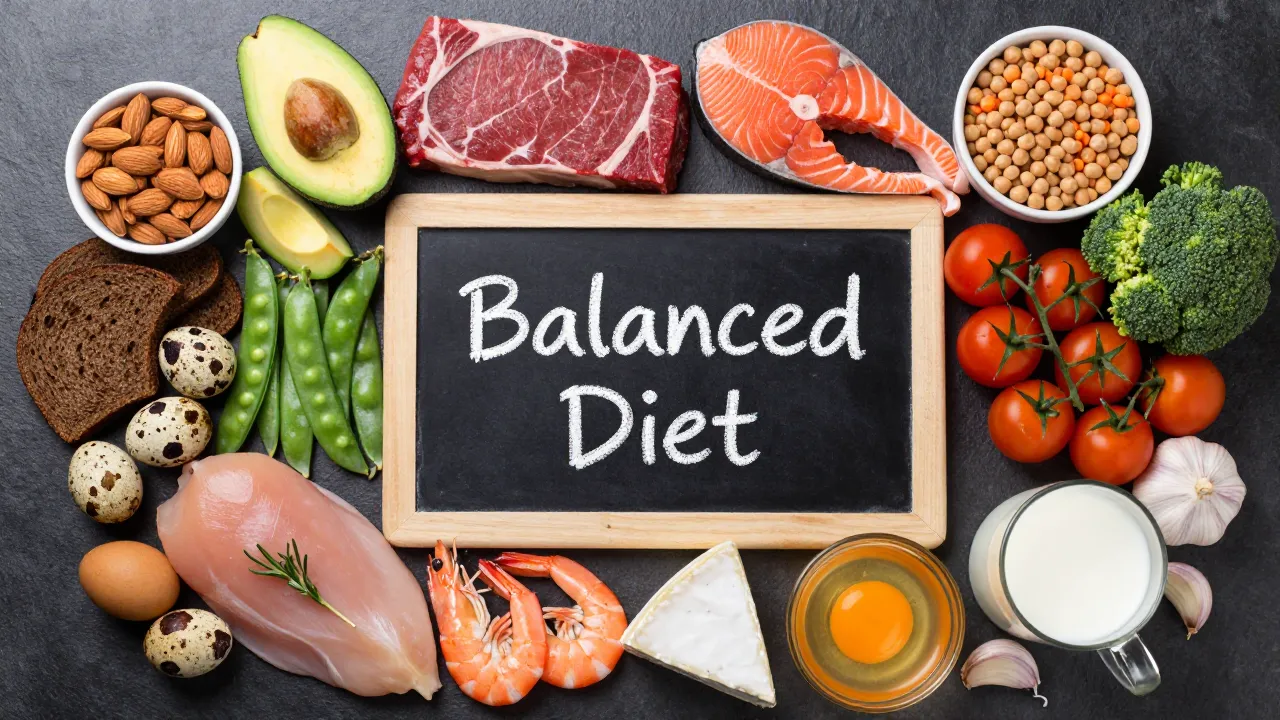
Macronutrient balance matters more than cutting entire food groups.
-
Protein supports muscle and fullness.
-
Carbohydrates provide energy and training performance.
-
Fats support hormones and nutrient absorption.
These nutrition fundamentals help your body function properly while in a deficit. Removing any macronutrient completely often creates problems later.
Fat Loss Basics That Make Calorie Deficits Easier
A calorie deficit should not feel like constant hunger. The right habits make fat loss feel manageable instead of miserable.
Volume Eating and Food Quality
Some foods provide more volume for fewer calories. Vegetables, fruits, lean proteins, and high-fiber foods take up space and slow digestion. This allows you to eat satisfying portions while staying within calorie goals. It also improves nutrient intake and digestion.
Meal Timing and Consistency
Skipping meals often backfires. It increases hunger and leads to overeating later. Regular meals stabilize energy levels and appetite. Consistency helps your body adapt to the deficit without panic signals.
Common Mistakes People Make in a Calorie Deficit
Many fat loss struggles come from small, repeated errors.
-
Some people underestimate how much they eat. Others overestimate how many calories they burn through exercise. Many ignore sleep and stress, which directly affect hunger hormones.
-
Another mistake is chasing perfection. One “off” day often leads to giving up entirely. Fat loss works best when flexibility is built in.
How to Know Your Calorie Deficit Is Working
The scale is one tool, but it is not the only one. Water retention, hormones, and digestion can cause daily weight changes that have nothing to do with fat loss. Looking only at the scale creates unnecessary stress. Better signs include improved measurements, increased strength, better endurance, and stable energy levels.
When to Adjust Your Calories
Plateaus happen. They are normal. If progress stalls for several weeks, adjustments may be needed. This could mean a small calorie reduction, increased activity, or simply more patience. Rushing adjustments often creates bigger problems than the plateau itself.
Making a Calorie Deficit Fit Your Lifestyle
Fat loss should support your life, not control it. Social events, travel, and busy weeks will happen. A flexible approach allows you to enjoy these moments without guilt. Rigid rules create stress. Flexible guidelines create sustainability. When a calorie deficit fits your lifestyle, consistency becomes natural. And consistency is what produces results.
Conclusion
A calorie deficit does not require starvation, misery, or extreme discipline. When built on solid fat loss basics and nutrition fundamentals, it supports health, energy, and long-term success. This calorie deficit guide shows that safe weight loss comes from small, consistent habits, not drastic cuts. Progress may feel slower, but it lasts longer. Focus on balance. Listen to your body. Be patient with the process. Fat loss works best when it feels sustainable, not punishing.