
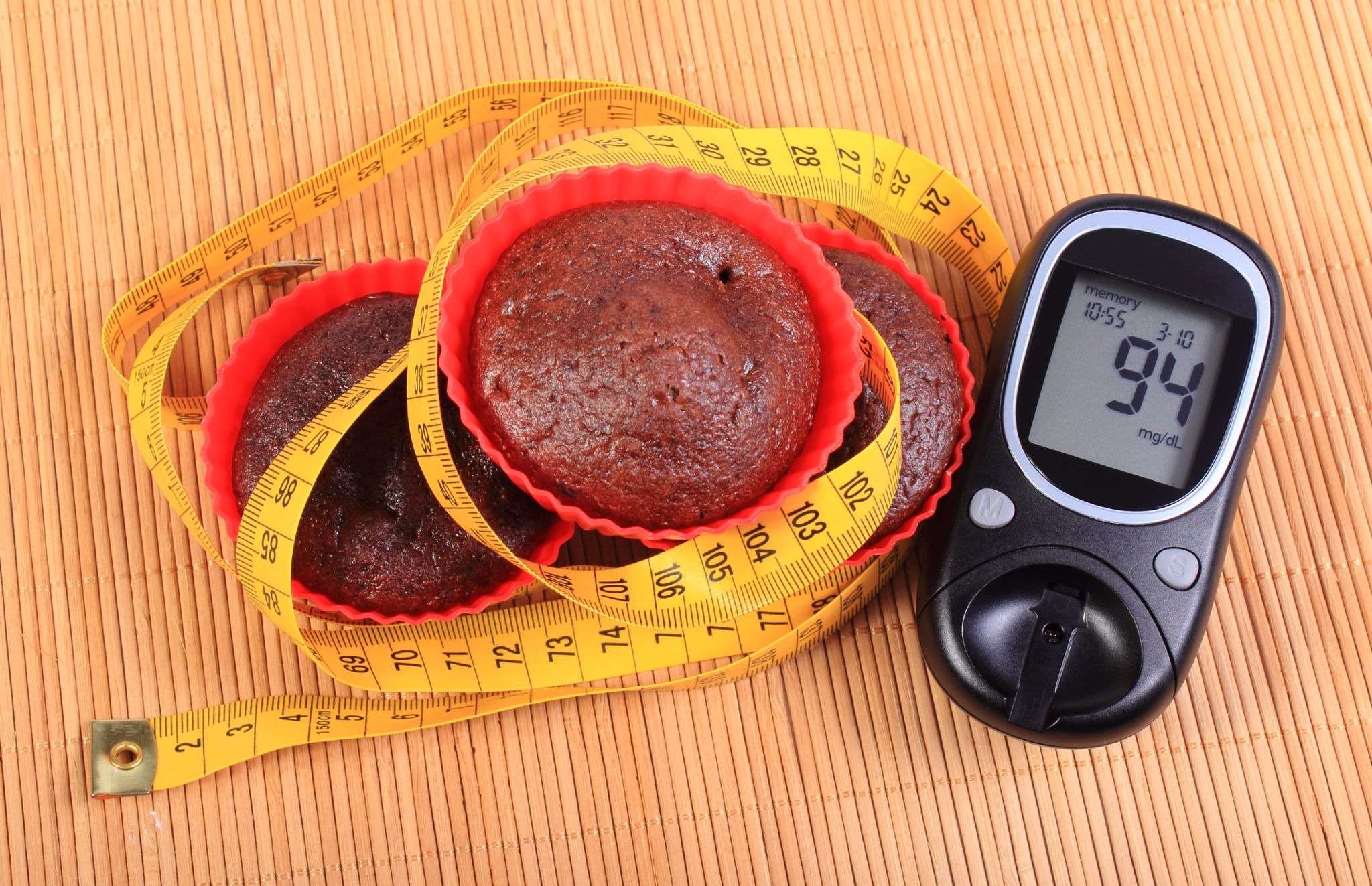
Your body’s energy levels and ability to burn fat depend heavily on consistent blood sugar control, which prevents the highs and lows that lead to fatigue. When you learn to keep your glucose waves gentle through smart nutritional choices, you effectively unlock your body’s “fuel switch” to burn stored fat more efficiently. By prioritizing protein, fiber, and healthy fats at every meal, you can protect your metabolic health and say goodbye to the constant cycle of hunger and crashes.
This post shows you how to keep those waves gentle. You will see why blood sugar control matters, how it ties to insulin balance, and what that means for metabolic health and long-term weight. No crash diets. No math degree needed. Just clear steps you can start today.
How Blood Sugar Control Affects Energy and Fat Loss
Picture a roller coaster. High peaks, sudden drops, loops that flip your stomach. That is what your blood sugar does when meals are packed with refined carbs and little else. The pancreas releases insulin to move sugar from blood into cells. Too many peaks force insulin to stay high. When insulin stays high, fat burning shuts down. Energy tanks. Cravings roar.
Hold the roller-coaster lines short, and everything changes. Stable sugar means stable insulin. Cells can switch between burning glucose and burning stored fat. You feel alert. Workouts feel easier. Midnight raids on the fridge fade away.
Insulin Balance and Your Body’s “Fuel Switch”
Think of insulin as a gate. When the gate opens gently, glucose strolls in and powers you up. When the gate is flung wide all day, cells drown in fuel and shout “No more!” They ignore insulin. That state is insulin resistance, the seed of type 2 diabetes.
Better insulin balance keeps the gate nimble. Small, controlled releases let the body flip its fuel switch from carbs to fat and back again. That switch is the engine of healthy weight management nutrition.
Foundational Nutrition Principles for Blood Sugar Control
A balanced plate slows digestion and eases pressure on insulin. Start with protein, add fiber-rich plants, then choose smart carbs, and finish with healthy fat. Protein and fat take longer to break down, so sugar drips into blood instead of flooding it. Fiber acts like a sponge, soaking up some glucose and feeding gut bacteria that aid metabolic health.
Eating every three to five hours works for many people. Long fasts can be useful but may backfire if you swing between starvation and feasting. The goal is calm waves, not another spike.
Building a Blood Sugar-Friendly Plate
Center each meal on a palm-sized piece of protein think eggs, Greek yogurt, beans, fish, or chicken. Fill half the plate with colorful vegetables. Add a fist of whole-food carbs such as quinoa, oats, fruit, or sweet potato. Drizzle olive oil or scatter nuts for healthy fat. This mix fuels you for hours without the crash.
Smart Carbohydrate Choices for Stable Blood Sugar
All carbs are not equal. White bread, soda, and pastries race through the system. Oats, berries, lentils, and brown rice take the scenic route. The secret lies in fiber, water, and natural structure. Whole foods keep their cell walls intact, slowing digestion. Refined foods arrive pre-chewed for your gut, so glucose pours out fast.
Timing and Pairing Carbs for Insulin Balance
Carbs behave better with friends. Pair them with protein or fat, and the rise in sugar softens. Simple trick: eat vegetables and protein first, then carbs. Another tip: place higher-carb meals near workouts. Muscles just exercised act like hungry sponges and pull glucose out of blood without needing much insulin.
Protein, Fiber, and Healthy Fats: The Blood Sugar Control Trio
Protein blunts hunger. Fiber swells in the gut, stretching receptors that say “I’m full.” Healthy fats slow stomach emptying. Together they create a steady drip of fuel. Breakfast of eggs with spinach and avocado. Lunch of lentil soup and side greens. Snack of apple slices with almond butter. Dinner of salmon, roasted vegetables, and quinoa. Each combo steadies sugar, calms appetite, and feeds lean tissue.
Lifestyle Habits That Improve Blood Sugar and Metabolic Health
Food is powerful, yet habits finish the job. Sleep less than six hours? Cortisol rises, insulin goes haywire, and late-night cravings zoom. Chronic stress tells the liver to dump extra glucose into blood, even if you have not eaten. Alcohol, in excess, forces the liver to stop managing sugar and start detoxing.
Moving your body is the fastest non-food way to drop glucose. A ten-minute walk after meals can shave off spikes by helping muscles soak up sugar.
Movement Strategies for Better Insulin Balance
Strength training adds muscle, and muscle is a glucose magnet. Two or three short, full-body sessions a week work wonders. On other days, sprinkle activity stairs, stretching, yard work. Every contraction acts like tiny insulin.
Practical Weight Management Nutrition Strategies
Forget perfect spreadsheets of macros. Focus on patterns that you can repeat in real life. Cook once, eat twice. Keep frozen vegetables and pre-washed greens handy. Prepare protein in batches. A simple template protein plus plants plus smart carbs strips decision fatigue.
Plan for fun, too. A birthday slice or holiday cookie is fine when the other meals are stable. The trick is to savor, not spiral. Drink water first at restaurants. Order an entrée with vegetables. Share dessert. Small guardrails keep blood sugar in the lane without feeling deprived.
Simple Daily Habits That Support Fat Loss
-
Start the day with at least 25 grams of protein.
-
Stand or walk for two minutes every half hour of screen time.
-
Shut screens one hour before bed to protect sleep and hormones.
Three clear actions, zero overwhelm.
Common Mistakes That Sabotage Blood Sugar Control
Skipping breakfast then attacking a pastry stack at 11 a.m. will spike sugar sky-high. Living on “low-fat” flavored yogurt, cereal bars, or fancy coffee hides piles of added sugar. Over-relying on smoothies piles fruit on fruit and removes fiber that would slow the ride. The sneakiest trap is ignoring stress. You cannot out-eat a frantic mind.
When to Seek Professional Help for Blood Sugar Issues
Frequent thirst, blurry vision, tingling feet, or wounds that heal slowly signal bigger trouble. Family history of diabetes or gestational diabetes also raises risk. A doctor can run an A1C test, and a dietitian can tailor meals to medications. Quick action now prevents tougher battles later.
Conclusion
Steady blood sugar control is the quiet hero of vibrant energy and smooth fat loss. By nudging insulin back into balance, you unlock the body’s natural fuel switch. Meals rich in protein, fiber, and healthy fats, thoughtful carb choices, regular movement, solid sleep, and calm stress weave together to protect metabolic health. Pick one tip from this list and practice it for a week. Then add another. Simple steps, stacked over time, change everything.
FAQs