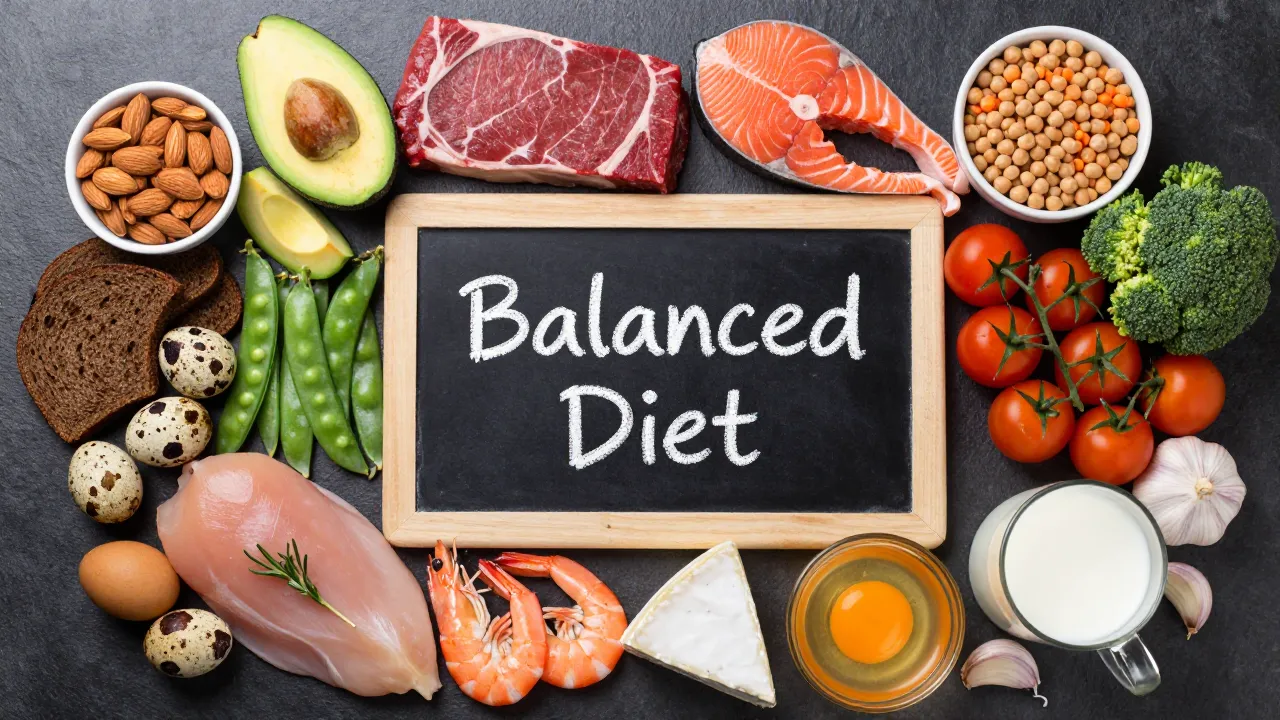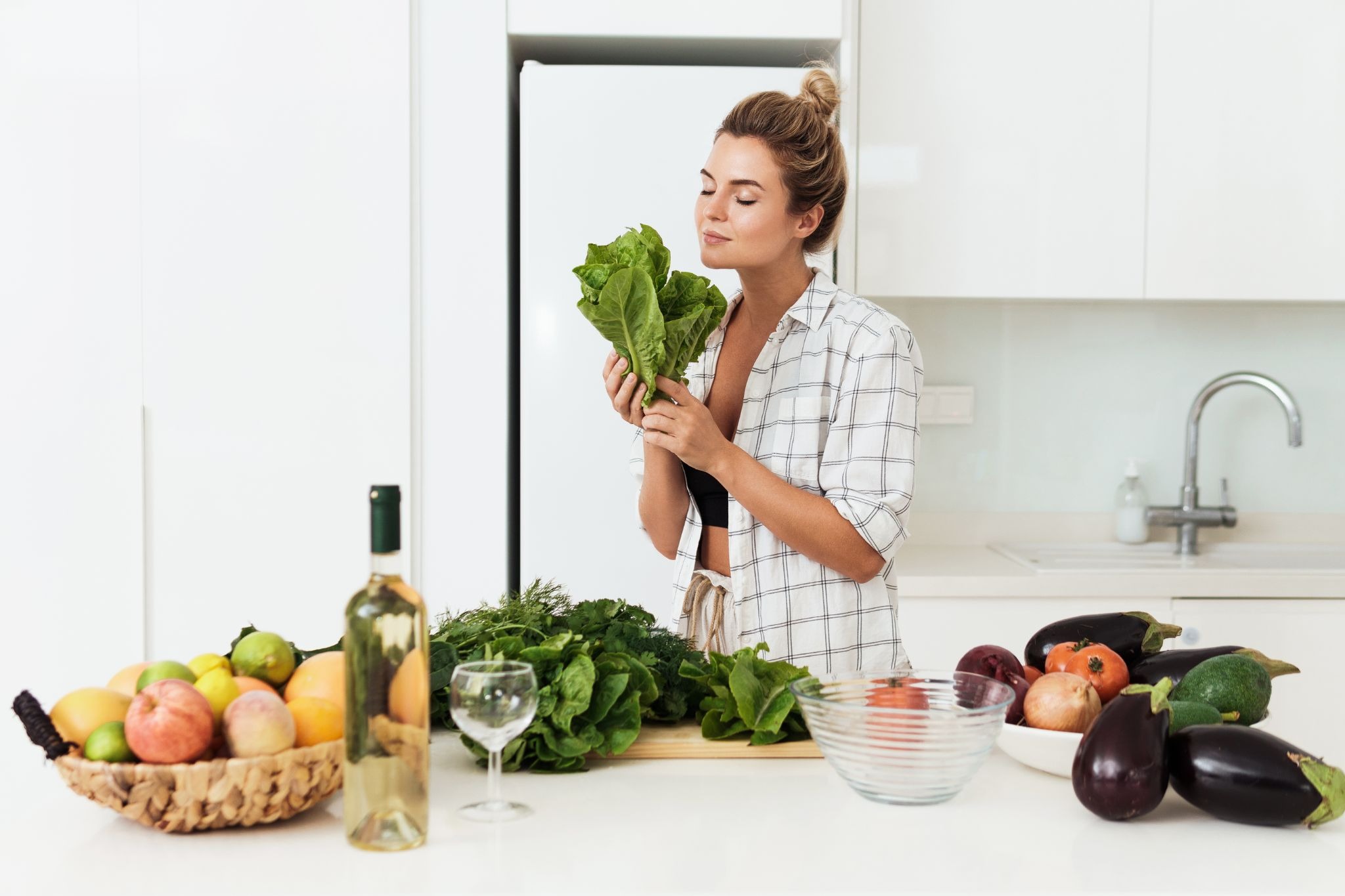

While many focus on external treatments, the most profound secret to beauty wellness lies in the specific nutrients we provide our bodies from the inside out. Your skin and hair are direct reflections of your internal health, responding rapidly to the vitamins, minerals, and healthy fats you consume daily. By shifting your focus toward a nutrient-dense diet and a supportive lifestyle, you can achieve a radiant complexion and shiny hair that radiates authentic, natural beauty.
The Science of Nutrition and Beauty
It is nutrition that forms our general health including the health of our skin and hair. Nutrients are diverse and the body needs them in order to operate at their best, and the lack of them may cause aging, dryness, brittle and equally other problems to be seen. Some of the most important effects of nutrition on beauty are as follows:
1. Skin Health
The skin is an inorganic body covering that is the largest one but serves the purpose of covering the body against any harm caused by the environment. The right nutrition can improve the skin in a number of ways:
- Cell Regeneration: The skin is in a constantly regenerating process where the proper nutrition supplies the raw materials involved in the building of new skin cells.
- Hydration: Skin elasticity and skin dryness are caused by inadequate hydration. Moisture can also be retained by food rich in nutrients.
- Inflammation Reduction: Some of the food types can be used to dilute inflammation in the body, a condition that is associated with several skin diseases including acne, eczema, and psoriasis.
2. Hair Health
The hair mainly consists of a protein known as keratin and its health depends on the nutrients that we take:
- Hair Growth: Healthy hair grows well when one has proper nutrition as it supplies the body with necessary vitamins and minerals that promote the functioning of the hair follicles.
- Strength and Shine: Nutrients are essential in keeping hair strong and shiny, as well as preventing a breakage and improving its overall appearance.
Essential Nutrients for Skin and Hair
Certain nutrients are particularly beneficial for skin and hair health. Here are the key nutrients to incorporate into your diet:
1. Vitamins
Vitamin A
- Function: Vitamin A is essential for skin cell production and repair. It helps maintain skin elasticity and promotes a healthy complexion.
- Sources: Carrots, sweet potatoes, spinach, kale, and apricots are excellent sources of vitamin A.
Vitamin C
- Function: Vitamin C is a powerful antioxidant that protects the skin from oxidative stress and supports collagen production, which is vital for skin elasticity.
- Sources: Citrus fruits (oranges, lemons), strawberries, kiwi, bell peppers, and broccoli are rich in vitamin C.
Vitamin E
- Function: Vitamin E is another antioxidant that helps protect the skin from damage caused by UV rays and environmental pollutants. It also aids in skin hydration.
- Sources: Nuts (almonds, hazelnuts), seeds, spinach, and avocado are good sources of vitamin E.
B Vitamins
- Function: B vitamins, particularly B2 (riboflavin), B3 (niacin), B5 (pantothenic acid), and B7 (biotin), are essential for maintaining healthy skin and hair. They support cell metabolism and promote hair growth.
- Sources: Whole grains, legumes, eggs, leafy greens, and nuts are rich in B vitamins.
2. Minerals
Zinc
- Function: Zinc plays a crucial role in skin healing, inflammation reduction, and maintaining healthy hair. It supports the production of new cells and helps regulate oil production.
- Sources: Oysters, beef, pumpkin seeds, lentils, and chickpeas are excellent sources of zinc.
Iron
- Function: Iron is essential for oxygen transport in the blood, which is vital for nourishing hair follicles and promoting hair growth. Iron deficiency can lead to hair loss.
- Sources: Red meat, poultry, fish, lentils, and fortified cereals are rich in iron.
Selenium
- Function: Selenium is an antioxidant that helps protect the skin from oxidative stress and supports thyroid function, which can influence hair health.
- Sources: Brazil nuts, seafood, eggs, and whole grains are good sources of selenium.
3. Healthy Fats
Omega-3 Fatty Acids
- Function: Omega-3 fatty acids help maintain skin elasticity and hydration. They also possess anti-inflammatory properties that can benefit skin conditions such as acne and psoriasis.
- Sources: Fatty fish (salmon, mackerel, sardines), walnuts, flaxseeds, and chia seeds are rich in omega-3s.
4. Antioxidants
Antioxidants help combat oxidative stress and protect skin and hair from damage caused by free radicals. Foods rich in antioxidants include:
- Fruits and Vegetables: Berries, cherries, spinach, and kale are packed with antioxidants that support skin health.
- Dark Chocolate: Dark chocolate with high cocoa content is rich in antioxidants and can benefit skin hydration and appearance.
Dietary Patterns for Healthy Skin and Hair
While individual nutrients are important, the overall dietary pattern plays a crucial role in skin and hair health. Here are some dietary strategies to consider:
1. The Mediterranean Diet
The Mediterranean diet emphasizes whole, nutrient-dense foods and is associated with numerous health benefits, including improved skin and hair health. Key components of the Mediterranean diet include:
- Fruits and Vegetables: A wide variety of colorful fruits and vegetables provides essential vitamins, minerals, and antioxidants.
- Whole Grains: Whole grains such as brown rice, quinoa, and whole wheat provide fiber and important nutrients.
- Healthy Fats: Olive oil, nuts, and fatty fish provide healthy fats that support skin hydration and overall health.
- Lean Proteins: Sources such as fish, poultry, legumes, and dairy provide essential proteins for skin and hair health.
2. Plant-Based Diets
Plant-based diets focus on fruits, vegetables, whole grains, nuts, and seeds while minimizing animal products. This dietary pattern can be beneficial for skin and hair health due to its high content of vitamins, minerals, and antioxidants:
- Nutrient Density: Plant-based diets are typically rich in vitamins and minerals that promote skin and hair health.
- Hydration: Many fruits and vegetables have high water content, contributing to hydration and skin health.
3. Hydration
Staying hydrated is essential for maintaining healthy skin and hair. Here are some tips for proper hydration:
- Drink Enough Water: Aim to drink at least eight 8-ounce glasses (about 2 liters) of water per day. Adjust based on activity level, climate, and individual needs.
- Consume Hydrating Foods: Include hydrating foods in your diet, such as cucumbers, watermelon, oranges, and celery.
Lifestyle Factors That Affect Skin and Hair
In addition to nutrition, several lifestyle factors can influence skin and hair health. Here are some key considerations:
1. Avoiding Excessive Sun Exposure
Excessive sun exposure can lead to skin damage, premature aging, and an increased risk of skin cancer. Here are some sun protection tips:
- Use Sunscreen: Apply broad-spectrum sunscreen with an SPF of at least 30 daily, even on cloudy days.
- Seek Shade: Limit sun exposure during peak hours (10 a.m. to 4 p.m.) and seek shade when outdoors.
2. Stress Management
Chronic stress can negatively impact skin and hair health, leading to conditions such as acne, eczema, and hair loss. Here are some stress management techniques:
- Mindfulness and Meditation: Practice mindfulness techniques such as meditation, deep breathing, or yoga to reduce stress levels.
- Regular Exercise: Physical activity can help reduce stress and improve overall well-being.
3. Quality Sleep
Adequate sleep is essential for overall health and beauty. Lack of sleep can lead to dull skin, dark circles, and hair loss. Here are some tips for improving sleep quality:
- Establish a Routine: Aim for 7-9 hours of quality sleep each night by establishing a consistent sleep schedule.
- Create a Relaxing Environment: Make your sleeping environment comfortable and conducive to rest by minimizing noise and light.
Common Skin and Hair Conditions Linked to Nutrition
Certain skin and hair conditions can be influenced by nutritional deficiencies or imbalances. Here are a few examples:
1. Acne
Acne is a common skin condition characterized by pimples, blackheads, and cysts. Nutrition can play a role in acne management:
- High Glycemic Index Foods: Diets high in refined carbohydrates and sugars may contribute to acne development. Consider reducing consumption of sugary foods and refined grains.
- Anti-Inflammatory Foods: Incorporating anti-inflammatory foods, such as fatty fish, fruits, and vegetables, may help reduce inflammation associated with acne.
2. Eczema
Eczema is a chronic inflammatory skin condition that can cause dryness, redness, and itching. Certain dietary changes may help manage eczema:
- Identify Triggers: Some individuals may find that specific foods trigger their eczema symptoms. Common allergens include dairy, nuts, and gluten.
- Omega-3 Fatty Acids: Consuming foods rich in omega-3 fatty acids may help reduce inflammation and improve skin barrier function.
3. Hair Loss
Hair loss can be influenced by various factors, including nutritional deficiencies:
- Iron Deficiency: Low iron levels can lead to hair thinning and loss. Ensure adequate iron intake through foods like lean meats, legumes, and leafy greens.
- Biotin Deficiency: Biotin is essential for hair health. Including biotin-rich foods such as eggs, nuts, and seeds can support hair growth.
Conclusion
The relation between health and beauty is a fact. An effective diet consisting of all the necessary ingredients, vitamins, minerals, and antioxidants can produce a strong influence on your skin and hair condition and health. Eating nutritionally rich, wholesome foods and maintaining a healthy lifestyle will make you have radiant skin and strong, beautiful hair.
It is important to remember that it is a long-term and continuous process of finding the best beauty wellness. With the help of nutrition, making decisions consciously, you can contribute to even greater natural beauty and see the positive effects of healthy skin and hair throughout a long period. Beauty wellness is something to embrace, and your diet should be a foundation of your beauty practice.