
Stubborn weight gain and skin issues are often connected by the hidden thread of chronic inflammation, making an anti inflammatory diet more relevant than ever for holistic healing. This way of eating isn’t a temporary fix but a sustainable lifestyle that supports your body’s natural recovery systems. By choosing nutrient-dense whole foods, you can calm internal stress, clear your complexion, and finally see the weight loss results you have worked so hard for.
In this article, we’ll explore how inflammation affects skin and fat loss, how skin health foods play a role, and why wellness nutrition is key to sustainable results.
What Is an Anti Inflammatory Diet?
An anti-inflammatory diet focuses on foods that reduce inflammatory responses in the body while limiting foods that trigger them. The goal is balance, not restriction. Unlike rigid diets, this approach emphasizes whole foods, stable blood sugar, and nutrient density. It supports the immune system instead of stressing it.
Inflammation is not always bad. Acute inflammation helps heal injuries and fight infections. The problem is chronic inflammation, which stays active even when the body doesn’t need it. Diet is one of the strongest influences on this process. What you eat daily can either calm inflammation or keep it active.
How Inflammation Affects Skin Health
The skin reflects what’s happening internally. When inflammation is high, skin repair slows down and barrier function weakens. This can show up as acne, redness, sensitivity, uneven tone, or premature aging. Inflammation increases oxidative stress, which damages collagen and elastin over time. Gut health also plays a role. An inflamed gut can affect nutrient absorption and immune signaling, both of which influence skin clarity. When inflammation is reduced, the skin often becomes calmer, clearer, and more resilient without relying solely on topical products.
How Inflammation Impacts Weight Loss
Chronic inflammation interferes with fat loss in several ways. It disrupts insulin signaling, making it harder for cells to use glucose efficiently. This can promote fat storage even when calorie intake is controlled. Inflammation also affects hormones related to hunger and fullness. This increases cravings and makes appetite harder to regulate.
Another overlooked factor is water retention. Inflammatory responses can cause the body to hold onto fluid, masking fat loss and slowing visible progress.
This is why some people struggle to lose weight despite eating less. The issue isn’t effort. It’s internal stress.
Anti Inflammatory Diet Benefits for Clearer Skin
When inflammation decreases, the body can redirect energy toward repair and regeneration. Skin cells turn over more efficiently. Barrier function improves. Redness and sensitivity often decline.
Hydration improves at a cellular level, not just on the surface. Antioxidants from food help neutralize free radicals that damage skin structures. Clearer skin is not about avoiding single “bad” foods. It’s about consistently providing nutrients that support healing from within.
Anti Inflammatory Diet Benefits for Weight Loss
Reducing inflammation improves metabolic flexibility. This means the body becomes better at switching between fuel sources, including stored fat. Energy levels stabilize. Cravings decrease. Appetite becomes easier to manage without strict calorie control.
Weight loss tends to feel less forced. Progress may be gradual, but it’s more sustainable. This is why many people see better long-term results when focusing on inflammation reduction rather than extreme dieting.
Best Skin Health Foods in an Anti Inflammatory Diet
Certain foods are especially supportive of skin repair and overall health. They provide antioxidants, essential fats, and micronutrients that protect skin cells.
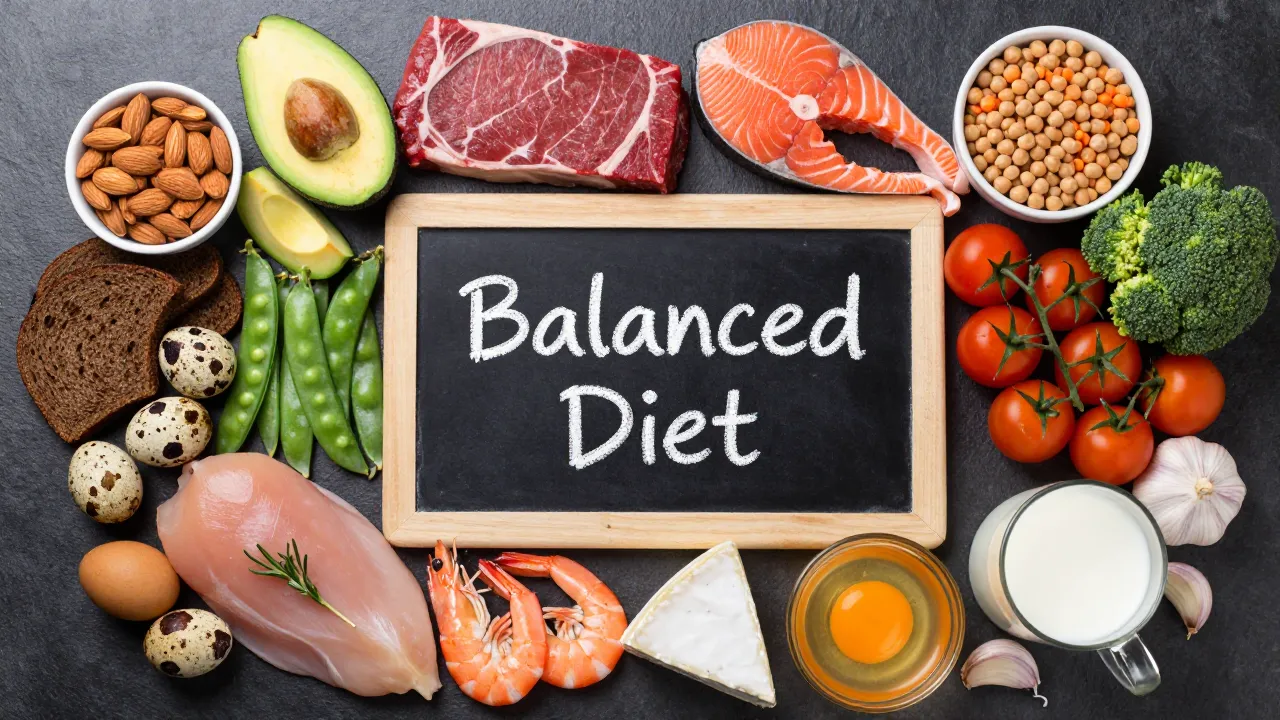
Examples of skin health foods commonly included in an anti inflammatory diet include:
-
Colorful vegetables and fruits rich in antioxidants
-
Fatty fish and plant-based omega-3 sources
-
Nuts, seeds, and minimally processed whole foods
These foods help reduce oxidative stress and support collagen production. Over time, they contribute to stronger, clearer skin.
Foods That Support Inflammation Reduction
Inflammation is influenced by food quality more than calorie count. Highly processed foods tend to increase inflammatory markers, while whole foods help regulate them.
An anti-inflammatory diet prioritizes foods that support steady blood sugar and gut health. Instead of strict elimination, the focus is on gradual replacement. This approach makes inflammation reduction realistic and maintainable over time.
Role of Wellness Nutrition in Long-Term Health
Wellness nutrition goes beyond weight loss or appearance. It’s about how food choices affect energy, mood, digestion, and immune function over years, not weeks. An anti-inflammatory diet fits naturally into this framework. It supports hormonal balance, cognitive health, and cardiovascular function alongside skin and weight outcomes.
When nutrition supports the whole system, improvements tend to reinforce each other. Better digestion supports clearer skin. Stable energy supports consistent movement. Consistency supports fat loss. This interconnected approach is what makes results last.
Common Mistakes When Starting an Anti Inflammatory Diet
Many people approach anti-inflammatory eating with an all-or-nothing mindset. This often leads to frustration.
Common mistakes include:
-
Over-restricting foods instead of improving overall quality
-
Expecting visible changes within days
-
Ignoring sleep, stress, and lifestyle contributors
Inflammation is influenced by more than food alone. Diet works best when combined with adequate rest and stress management.
How to Transition Into an Anti Inflammatory Diet Gradually
The most effective way to adopt this way of eating is slowly. Sudden changes increase stress, which can actually worsen inflammation. Start by adding supportive foods before removing anything. Focus on one meal at a time. Pay attention to how your body responds. Consistency matters more than perfection. Small changes practiced daily are more powerful than short bursts of strict eating.
Who Can Benefit Most From an Anti Inflammatory Diet?
This approach is especially helpful for people who feel stuck despite “doing everything right.”
Those who may benefit most include:
-
Individuals with persistent skin issues
-
People struggling with stubborn weight loss
-
Anyone seeking a balanced, sustainable nutrition approach
Because it supports overall health, this way of eating is suitable for most adults when applied thoughtfully.
Conclusion
The connection between inflammation, skin health, and weight loss is real and well-supported. When inflammation stays high, the body struggles to function optimally. When it’s reduced, natural balance becomes easier to restore. An anti-inflammatory diet works because it supports the body instead of fighting it. By prioritizing skin health foods, focusing on inflammation reduction, and adopting a wellness nutrition mindset, clearer skin and sustainable fat loss become achievable. This isn’t about quick fixes. It’s about creating an internal environment where the body can heal, regulate, and thrive over time.